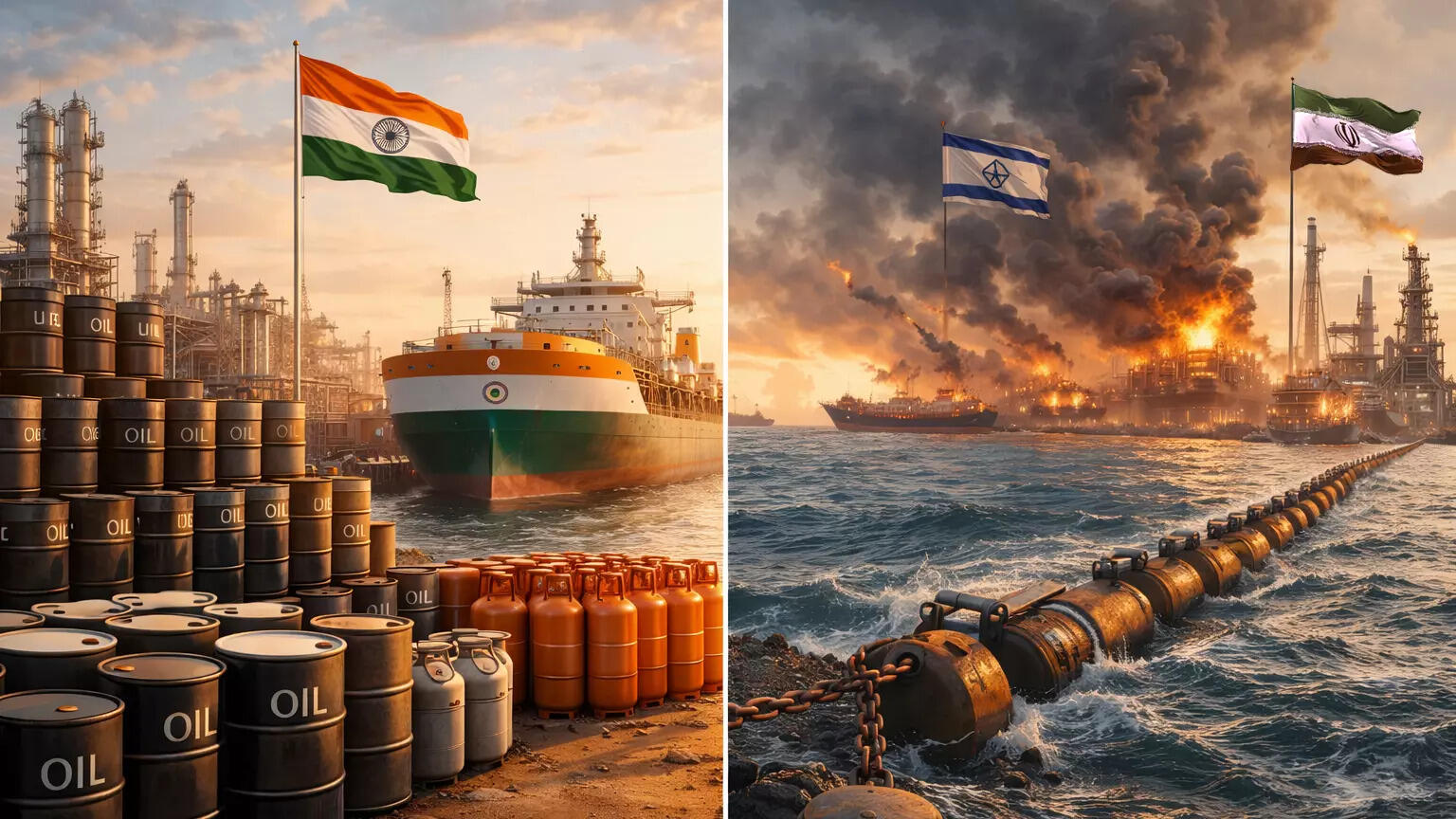
The ongoing conflict between the US, Israel, and Iran has sent shockwaves across the globe, and one of the most significant consequences is the impact on oil supplies. As the situation continues to escalate, India is bracing itself for the economic fallout, and the government is taking steps to mitigate the effects of the crisis. The geopolitical strain has pushed up global oil and gas prices, and for India, which relies heavily on imports, this surge translates into a higher import bill and adds to inflationary pressures. India depends on overseas purchases for almost 90 per cent of its crude oil needs, making it vulnerable to fluctuations in the global market.
According to experts, the current situation is a perfect storm that could have far-reaching consequences for the Indian economy. The rise in oil prices is expected to have a ripple effect on various sectors, including transportation, manufacturing, and agriculture. As the cost of production increases, companies may be forced to pass on the burden to consumers, leading to higher prices and decreased demand. The government is aware of the potential risks and is taking steps to reduce the country's dependence on imported oil. One of the key strategies is to promote the use of alternative energy sources, such as solar and wind power, to reduce the demand for fossil fuels.
Economic Fallout
The economic fallout of the US-Israel-Iran war is a major concern for India, and the government is working to minimize the impact. The rise in oil prices is expected to increase the country's import bill, which could lead to a wider trade deficit and put pressure on the rupee. The government is also concerned about the potential impact on inflation, as higher oil prices could lead to increased costs for consumers. To address these concerns, the government is considering a range of options, including reducing taxes on petroleum products and increasing subsidies for low-income households.
One of the most significant challenges facing the government is balancing the need to reduce the country's dependence on imported oil with the need to keep prices low for consumers. The government has implemented a range of policies aimed at promoting the use of alternative energy sources, including tax incentives and subsidies for companies investing in renewable energy. However, these efforts are still in their early stages, and it may take several years for the country to reduce its dependence on imported oil. In the short term, the government may need to consider other options, such as reducing taxes on petroleum products or increasing subsidies for low-income households.
Government Response
The government has responded to the crisis by announcing a range of measures aimed at reducing the country's dependence on imported oil. One of the key strategies is to promote the use of alternative energy sources, such as solar and wind power. The government has set a target of generating 40% of the country's energy from non-fossil fuels by 2030, and is providing tax incentives and subsidies to companies investing in renewable energy. The government is also working to improve the efficiency of the country's energy infrastructure, including the transportation and storage of oil and gas.
Another key strategy is to increase the country's energy storage capacity, which would help to reduce the impact of fluctuations in the global market. The government is planning to build new storage facilities and upgrade existing ones, which would provide a buffer against price shocks. The government is also working to diversify the country's energy mix, by investing in new sources of energy, such as nuclear and hydroelectric power. This would help to reduce the country's dependence on imported oil and provide a more stable source of energy.
Impact on Consumers
The impact of the US-Israel-Iran war on consumers is likely to be significant, as higher oil prices could lead to increased costs for a range of products, including food, transportation, and manufacturing. The government is aware of the potential risks and is working to minimize the impact on low-income households. One of the key strategies is to increase subsidies for low-income households, which would help to offset the increased costs. The government is also considering reducing taxes on petroleum products, which would help to keep prices low for consumers.
However, the impact of the crisis on consumers is not just limited to higher prices. The crisis could also lead to shortages of certain products, particularly if the conflict disrupts global supply chains. The government is working to mitigate this risk by increasing stockpiles of essential goods and providing support to companies affected by the crisis. The government is also working to promote the use of alternative energy sources, such as solar and wind power, which could help to reduce the country's dependence on imported oil and provide a more stable source of energy.
Key Facts:- The US-Israel-Iran war has pushed up global oil and gas prices, with India being one of the most affected countries.
- India relies heavily on imports for almost 90 per cent of its crude oil needs, making it vulnerable to fluctuations in the global market.
- The government is working to reduce the country's dependence on imported oil by promoting the use of alternative energy sources, such as solar and wind power.
- The government is also considering reducing taxes on petroleum products and increasing subsidies for low-income households to minimize the impact of the crisis on consumers.
- The crisis could lead to shortages of certain products, particularly if the conflict disrupts global supply chains.
- The government is working to mitigate this risk by increasing stockpiles of essential goods and providing support to companies affected by the crisis.
The US-Israel-Iran war is a complex and multifaceted crisis that poses significant challenges for India. The government is working to minimize the impact of the crisis on the economy and consumers, but it may take several years for the country to reduce its dependence on imported oil. In the short term, the government may need to consider other options, such as reducing taxes on petroleum products or increasing subsidies for low-income households. The crisis is a wake-up call for India to reduce its dependence on imported oil and promote the use of alternative energy sources.
As the situation continues to unfold, it is clear that the US-Israel-Iran war will have far-reaching consequences for India and the global economy. The government is working to mitigate the risks, but it is essential for consumers and businesses to be aware of the potential impact and take steps to prepare. The crisis is a reminder of the importance of diversifying the country's energy mix and promoting the use of alternative energy sources. By working together, India can reduce its dependence on imported oil and provide a more stable source of energy for its citizens.
In conclusion, the US-Israel-Iran war is a significant challenge for India, and the government is working to minimize the impact on the economy and consumers. The crisis is a wake-up call for India to reduce its dependence on imported oil and promote the use of alternative energy sources. The government is taking steps to mitigate the risks, but it is essential for consumers and businesses to be aware of the potential impact and take steps to prepare. As the situation continues to unfold, it is clear that the US-Israel-Iran war will have far-reaching consequences for India and the global economy.
The news of the US-Israel-Iran war has sent shockwaves across the globe, and India is no exception. The government is working to prepare for the economic fallout, and the country is bracing itself for the potential impact. The crisis is a reminder of the importance of staying up-to-date with the latest news and developments, as it can have significant consequences for individuals and businesses. By staying informed, Indians can take steps to prepare for the potential impact and mitigate the risks associated with the crisis.
As the situation continues to unfold, it is essential to stay informed about the latest news and developments. The US-Israel-Iran war is a complex and multifaceted crisis that poses significant challenges for India and the global economy. The government is working to minimize the impact, but it is crucial for consumers and businesses to be aware of the potential risks and take steps to prepare. By working together, India can reduce its dependence on imported oil and provide a more stable source of energy for its citizens. The news of the crisis is a reminder of the importance of staying informed and taking steps to prepare for the potential impact.
Comments