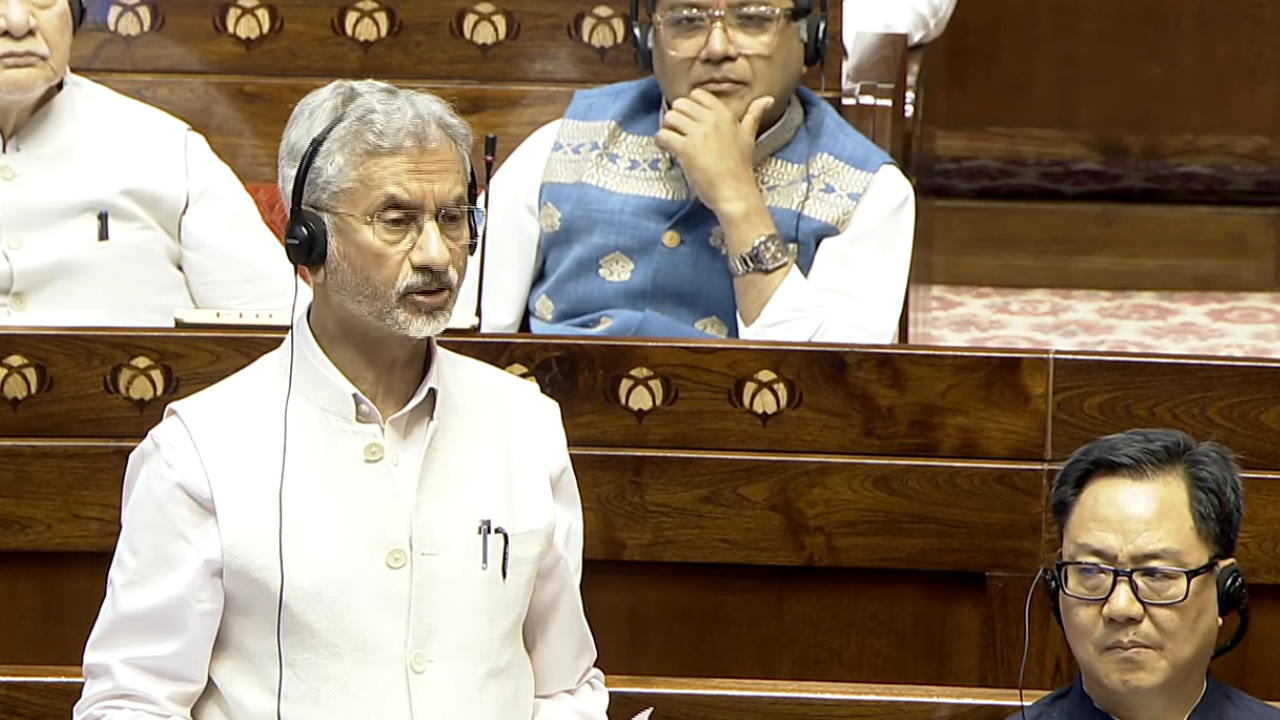
In recent weeks, tensions in the Middle East have escalated to unprecedented levels, with multiple countries involved in a complex web of conflicts. Against this backdrop, India has once again reiterated its commitment to dialogue and diplomacy as the preferred approach to resolving regional disputes. At the heart of this stance is External Affairs Minister S Jaishankar, who recently described his country's interactions with Iranian leadership as "difficult". In this article, we will examine the context behind India's position on the Middle East war, its historical background, and the implications for the region.
India's Stance: A Call for Dialogue and Diplomacy
Jaishankar's remarks reflected India's long-standing policy of engaging with countries in the region through peaceful means. In a recent statement, he emphasized the importance of dialogue and diplomacy in easing tensions and finding solutions to the conflicts that threaten regional stability.
The Prime Minister of India, Narendra Modi, has also closely monitored the situation, emphasizing the need for a negotiated settlement. As tensions rise, India's position on the Middle East war has become increasingly important, with over a crore Indians residing in the Gulf region depending on peaceful resolution to avoid any further instability.
- India's stance is also shaped by its historical relationships with Iran and other regional powers
- Contact with Iranian leadership remains challenging for India due to ongoing tensions
- India urges all parties involved to negotiate a peaceful solution
The Impact of Escalating Tensions on the Region
The conflict in Yemen has been particularly destructive, with the country's infrastructure and economy already severely damaged. The tragic loss of two Indian mariners serves as a stark reminder of the human cost associated with such conflicts.
As the crisis deepens, the energy security implications for India cannot be ignored. The region is rich in energy resources, and instability could lead to price hikes and disruptions in global markets.
"The escalating tensions in Yemen are taking a heavy toll on regional stability. If we do not find a peaceful solution quickly, the consequences could be catastrophic." - External Affairs Minister S Jaishankar
Context: The Historical Background of India's Engagement with Iran and the Middle East
India's relationship with Iran has its roots in history. In the 1950s, India was a key supporter of the Iranian monarchy during the Shah's rule. After the 1979 revolution that brought Ayatollah Khomeini to power, diplomatic relations were strained due to disagreements over oil prices and regional influence.
Over time, however, both countries have sought to reestablish ties through economic cooperation and cultural exchange programs.
- India's interests in the region are multifaceted, including energy security, trade, and strategic stability
- The Middle East is home to some of the world's most significant oil reserves, crucial for India's economic growth
- Regional instability has far-reaching implications for global markets and economies
Future Implications: Why a Peaceful Resolution Matters
A peaceful resolution to conflicts in the Middle East is not only essential for regional stability but also crucial for global security. Global tensions have been escalating, with rising nationalism and protectionism posing significant challenges to international relations.
The impact of instability on India cannot be overstated. With over a crore Indians residing in the Gulf region, any disruption to trade and commerce has significant implications for the country's economy.
- Peaceful resolution would help maintain regional stability
- India's interests align with those of other major powers, including Saudi Arabia and the UAE
- A negotiated settlement could pave the way for new economic partnerships in the region
The Role of India in Shaping Regional Diplomacy
As a key player in regional diplomacy, India must remain committed to its policy of engagement and dialogue. The Prime Minister's close monitoring of the situation underscores the importance of peaceful resolution for regional stability.
India has long sought to play a constructive role in regional affairs, working closely with countries like Iran, Saudi Arabia, and the UAE to promote shared interests.
- Regular diplomatic engagement is essential for resolving conflicts peacefully
- India's relations with other regional powers are critical to maintaining stability
- Ambassadors and diplomats must engage in cultural exchange programs to build bridges between nations
The Call for Reader Perspective: How Will You Contribute to the Conversation?
As tensions escalate, it is essential that we listen to diverse voices from across the region. What are your thoughts on India's position on the Middle East war? Do you believe dialogue and diplomacy can resolve regional conflicts peacefully? Share your perspectives in our comments section.
We want to hear from you. Your input matters in shaping a more informed conversation around this critical issue.
Comments