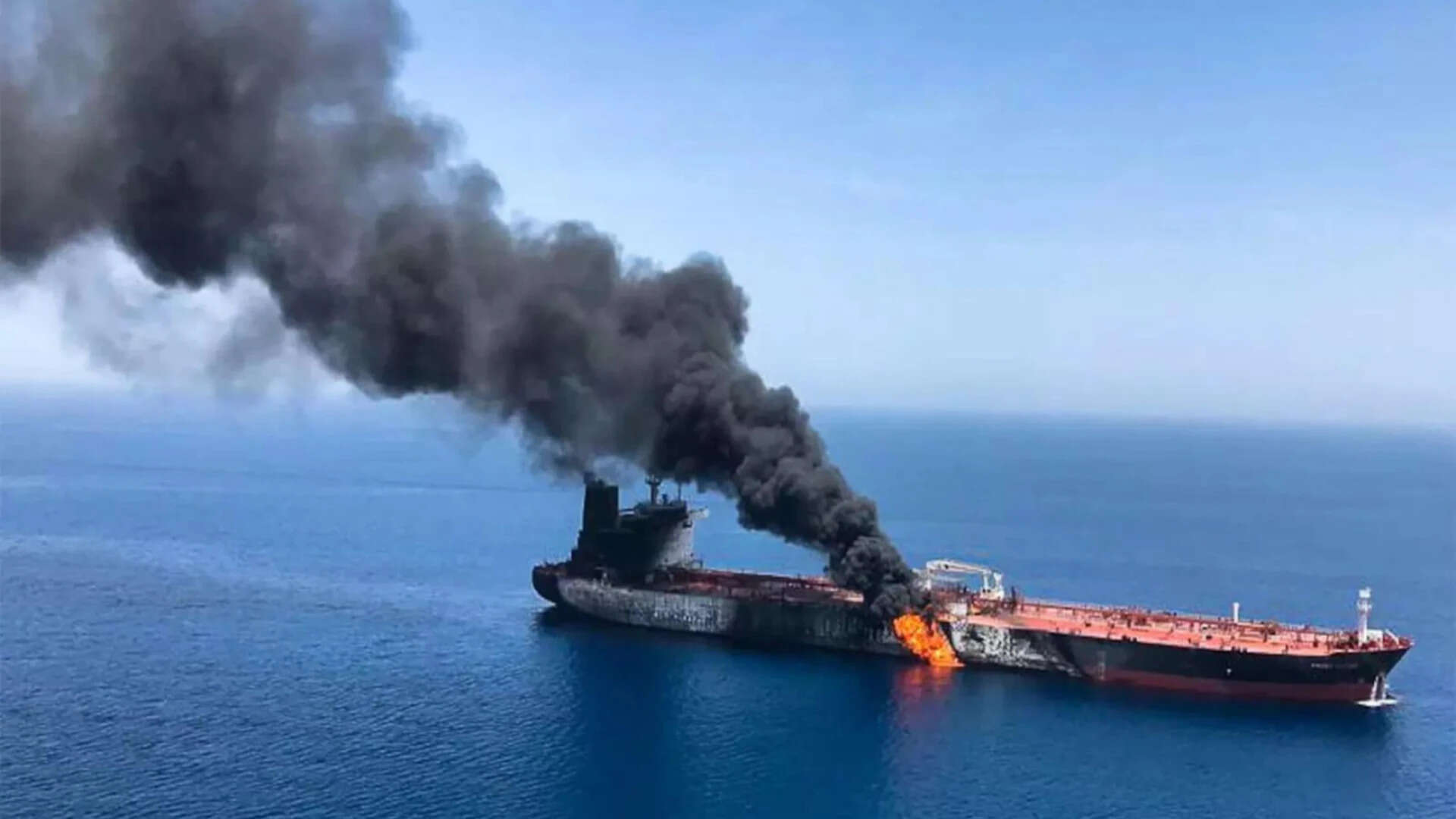
In a shocking turn of events, an oil tanker, identified as the Skylight, has been attacked near the coast of Oman in the Strait of Hormuz, resulting in injuries to four crew members and prompting an urgent evacuation of 15 Indian nationals on board. This incident has sent shockwaves throughout the global energy market, as it follows a stern warning issued by Iran to close the vital Strait of Hormuz, a key global oil route that has been at the center of escalating regional tensions. The attack on the oil tanker has significant implications for the global energy market, and the suspension of transit by shipping giants, as well as the withdrawal of cover by insurers, has raised fears of a severe disruption to the global energy supply.
The Skylight, an oil tanker that was traveling through the Strait of Hormuz, was hit by an unknown entity, resulting in damage to the vessel and injuries to four crew members. The attack has been condemned by the international community, and an investigation has been launched to determine the cause of the incident. The evacuation of 15 Indian nationals from the vessel was carried out by a nearby ship, and they are currently receiving medical attention for any injuries they may have sustained during the incident. The Indian government has issued a statement confirming the safety of its nationals and has pledged to provide all necessary assistance to those affected by the incident.
Regional Tensions Escalate
The attack on the Skylight comes at a time of heightened tensions in the region, with Iran having recently warned that it would close the Strait of Hormuz if its oil exports were blocked. The Strait, which is a vital waterway that connects the Persian Gulf to the Arabian Sea, is a key route for global oil shipments, with millions of barrels of oil passing through it every day. The closure of the Strait would have significant implications for the global energy market, with oil prices likely to skyrocket and global economic growth potentially being severely impacted. The international community has been working to find a diplomatic solution to the crisis, but so far, a resolution has not been found.
The situation in the region has been further complicated by the involvement of other countries, including the United States, which has been seeking to impose sanctions on Iran's oil exports. The sanctions, which are aimed at curbing Iran's nuclear program, have been opposed by other countries, including China and Russia, which have significant economic interests in the region. The conflict has also drawn in other regional players, including Saudi Arabia and the United Arab Emirates, which have been seeking to counter Iran's influence in the region. As the situation continues to escalate, there are fears that the conflict could spread to other parts of the region, potentially drawing in other countries and leading to a wider conflict.
The use of AI in the analysis of the situation in the Strait of Hormuz has been significant, with experts using machine learning algorithms to predict the potential outcomes of different scenarios. The use of AI has allowed for a more detailed understanding of the complex factors at play in the region, and has helped to identify potential solutions to the crisis. However, the use of AI in this context also raises important questions about the role of technology in international relations, and the potential risks and benefits of relying on AI in the analysis of complex geopolitical situations.
Impact on Global Energy Market
The attack on the Skylight has significant implications for the global energy market, with oil prices likely to rise in the short term. The suspension of transit by shipping giants and the withdrawal of cover by insurers have also raised fears of a severe disruption to the global energy supply. The global energy market is already facing significant challenges, including the impact of climate change and the transition to renewable energy sources. The crisis in the Strait of Hormuz has added an extra layer of complexity to the market, and has highlighted the need for a more diversified and resilient energy system.
The implications of the crisis for the global economy are also significant, with the potential for higher oil prices to impact economic growth and inflation. The crisis has already had an impact on the stock market, with oil prices rising and stock prices falling in response to the news. The situation is being closely monitored by economic analysts, who are warning of the potential for a significant impact on the global economy if the crisis is not resolved quickly. The use of AI in the analysis of the economic implications of the crisis has been significant, with experts using machine learning algorithms to predict the potential outcomes of different scenarios.
- The attack on the Skylight has highlighted the need for increased security measures in the Strait of Hormuz, including the use of AI-powered surveillance systems to monitor the waterway and prevent future attacks.
- The crisis has also highlighted the need for a more diversified and resilient energy system, with a greater focus on renewable energy sources and reduced dependence on fossil fuels.
- The use of AI in the analysis of the situation in the Strait of Hormuz has been significant, with experts using machine learning algorithms to predict the potential outcomes of different scenarios and identify potential solutions to the crisis.
- The international community must work together to find a diplomatic solution to the crisis, including through the use of AI-powered negotiation tools to facilitate dialogue and cooperation between different countries.
- The crisis has significant implications for the global economy, with the potential for higher oil prices to impact economic growth and inflation, and the use of AI in the analysis of the economic implications of the crisis has been significant.
The situation in the Strait of Hormuz remains highly volatile, with the potential for further escalation and conflict. The international community must work together to find a diplomatic solution to the crisis, and to prevent a wider conflict that could have significant implications for the global energy market and the economy. The use of AI in the analysis of the situation has been significant, and is likely to play an increasingly important role in the resolution of the crisis. As the situation continues to unfold, it is likely that AI will be used in a variety of contexts, including in the analysis of the economic implications of the crisis and in the development of diplomatic solutions to the conflict.
In conclusion, the attack on the Skylight has significant implications for the global energy market and the economy, and highlights the need for increased security measures in the Strait of Hormuz and a more diversified and resilient energy system. The use of AI in the analysis of the situation has been significant, and is likely to play an increasingly important role in the resolution of the crisis. As the situation continues to unfold, it is likely that AI will be used in a variety of contexts, including in the analysis of the economic implications of the crisis and in the development of diplomatic solutions to the conflict. The crisis in the Strait of Hormuz is a complex and multifaceted issue, and will require a comprehensive and coordinated response from the international community to resolve.
The News of the attack on the Skylight has sent shockwaves throughout the global energy market, and has highlighted the need for increased security measures in the Strait of Hormuz. The use of AI in the analysis of the situation has been significant, and is likely to play an increasingly important role in the resolution of the crisis. As the situation continues to unfold, it is likely that AI will be used in a variety of contexts, including in the analysis of the economic implications of the crisis and in the development of diplomatic solutions to the conflict. The crisis in the Strait of Hormuz is a complex and multifaceted issue, and will require a comprehensive and coordinated response from the international community to resolve.
The international community must work together to find a diplomatic solution to the crisis, and to prevent a wider conflict that could have significant implications for the global energy market and the economy. The use of AI in the analysis of the situation has been significant, and is likely to play an increasingly important role in the resolution of the crisis. As the situation continues to unfold, it is likely that AI will be used in a variety of contexts, including in the analysis of the economic implications of the crisis and in the development of diplomatic solutions to the conflict. The crisis in the Strait of Hormuz is a complex and multifaceted issue, and will require a comprehensive and coordinated response from the international community to resolve.
Conclusion
In conclusion, the attack on the Skylight has significant implications for the global energy market and the economy, and highlights the need for increased security measures in the Strait of Hormuz and a more diversified and resilient energy system. The use of AI in the analysis of the situation has been significant, and is likely to play an increasingly important role in the resolution of the crisis. As the situation continues to unfold, it is likely that AI will be used in a variety of contexts, including in the analysis of the economic implications of the crisis and in the development of diplomatic solutions to the conflict. The crisis in the Strait of Hormuz is a complex and multifaceted issue, and will require a comprehensive and coordinated response from the international community to resolve.
The News of the attack on the Skylight has sent shockwaves throughout the global energy market, and has highlighted the need for increased security measures in the Strait of Hormuz. The use of AI in the analysis of the situation has been significant, and is likely to play an increasingly important role in the resolution of the crisis. As the situation continues to unfold, it is likely that AI will be used in a variety of contexts, including in the analysis of the economic implications of the crisis and in the development of diplomatic solutions to the conflict. The crisis in the Strait of Hormuz is a complex and multifaceted issue, and will require a comprehensive and coordinated response from the international community to resolve.
Comments