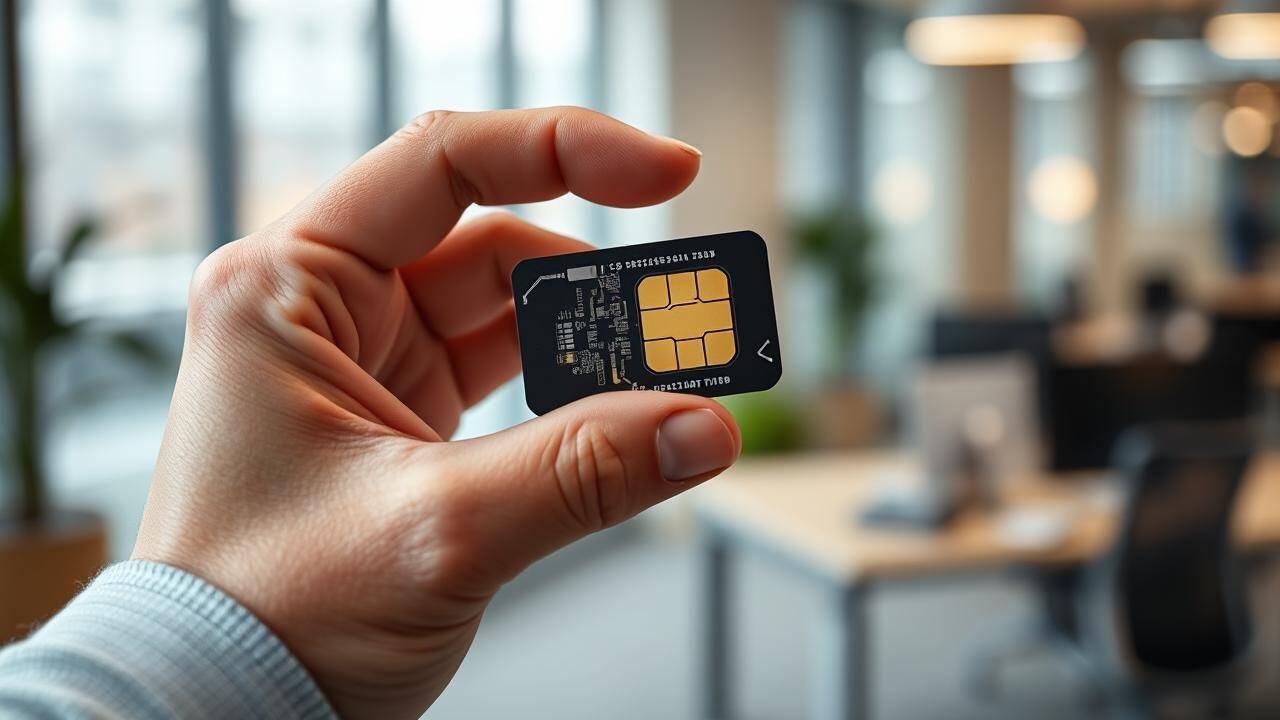
In a significant development that is set to impact the way we use messaging apps, the government has introduced a new rule that will come into effect from March 1. This rule, known as SIM-binding, will require popular messaging apps like WhatsApp and Telegram to function only with the registered SIM in the primary device. The primary objective behind this move is to curb online fraud and enhance traceability by linking active accounts to verified SIMs. This move is expected to have far-reaching implications for users of these apps, and it is essential to understand the changes that will be implemented.
The SIM-binding rule is a government mandate that aims to tackle the growing menace of online fraud. With the increasing use of messaging apps for various purposes, including financial transactions, the risk of fraud has also increased. The government believes that by linking active accounts to verified SIMs, it can reduce the risk of fraud and make it easier to track down perpetrators. This move is also expected to enhance the overall security of online transactions and protect users from potential threats.
How will SIM-binding work?
The SIM-binding rule will require messaging apps like WhatsApp and Telegram to verify the SIM card used on the primary device. This means that users will need to ensure that their SIM card is registered and verified before they can use these apps. The verification process is expected to be simple and straightforward, and users will likely receive instructions from the app providers on how to complete the verification process. Once the SIM card is verified, the app will function only with the registered SIM, and users will not be able to use the app with any other SIM card.
The SIM-binding rule will also apply to web versions of these apps. However, the rules for web versions will be slightly different. Web versions will face stricter auto-logout rules, which means that users will be logged out of their accounts after a certain period of inactivity. This move is aimed at preventing unauthorized access to user accounts and enhancing the overall security of online transactions. Users of web versions will need to ensure that they log out of their accounts when they are not using them, and they will need to re-login to access their accounts again.
Impact on users
The SIM-binding rule is expected to have a significant impact on users of messaging apps like WhatsApp and Telegram. Users will need to ensure that their SIM cards are registered and verified before they can use these apps. This may cause some inconvenience to users who use multiple SIM cards or devices, as they will need to verify each SIM card separately. However, the benefits of the SIM-binding rule are expected to outweigh the inconvenience, as it will enhance the security of online transactions and reduce the risk of fraud.
Users who use messaging apps for business or professional purposes may need to take additional steps to comply with the SIM-binding rule. They may need to verify multiple SIM cards or devices, and they may need to ensure that their employees or team members are aware of the new rules. However, this move is expected to enhance the overall security of business transactions and protect businesses from potential threats.
Key takeaways:- The SIM-binding rule will require messaging apps like WhatsApp and Telegram to function only with the registered SIM in the primary device.
- The rule aims to curb online fraud and enhance traceability by linking active accounts to verified SIMs.
- Web versions of these apps will face stricter auto-logout rules.
- Users will need to ensure that their SIM cards are registered and verified before they can use these apps.
- The SIM-binding rule is expected to enhance the security of online transactions and reduce the risk of fraud.
The introduction of the SIM-binding rule is a significant development in the world of messaging apps. As the use of these apps continues to grow, it is essential to ensure that they are used safely and securely. The SIM-binding rule is a step in the right direction, and it is expected to have a positive impact on the overall security of online transactions. Users of messaging apps like WhatsApp and Telegram will need to be aware of the changes that will be implemented and take the necessary steps to comply with the new rules.
In the era of AI and technological advancements, cybersecurity has become a major concern. The SIM-binding rule is a move towards enhancing cybersecurity and protecting users from potential threats. As we move forward in this digital age, it is essential to stay informed about the latest developments and trends in the world of technology. The SIM-binding rule is a significant development that will have far-reaching implications for users of messaging apps, and it is essential to understand the changes that will be implemented.
As the news of the SIM-binding rule spreads, users of messaging apps like WhatsApp and Telegram are advised to stay informed about the latest developments and updates. The rule is expected to be implemented from March 1, and users will need to take the necessary steps to comply with the new rules. The benefits of the SIM-binding rule are expected to outweigh the inconvenience, and it is essential to understand the changes that will be implemented. By staying informed and taking the necessary steps, users can ensure that they are using messaging apps safely and securely.
In conclusion, the SIM-binding rule is a significant development that is set to impact the way we use messaging apps. The rule aims to curb online fraud and enhance traceability by linking active accounts to verified SIMs. Users of messaging apps like WhatsApp and Telegram will need to be aware of the changes that will be implemented and take the necessary steps to comply with the new rules. As we move forward in this digital age, it is essential to stay informed about the latest developments and trends in the world of technology and AI and news.
The SIM-binding rule is a move towards enhancing cybersecurity and protecting users from potential threats. As the use of messaging apps continues to grow, it is essential to ensure that they are used safely and securely. The introduction of the SIM-binding rule is a step in the right direction, and it is expected to have a positive impact on the overall security of online transactions. Users of messaging apps like WhatsApp and Telegram will need to be aware of the changes that will be implemented and take the necessary steps to comply with the new rules.
Future of messaging apps
The introduction of the SIM-binding rule is set to change the way we use messaging apps. As the use of these apps continues to grow, it is essential to ensure that they are used safely and securely. The SIM-binding rule is a move towards enhancing cybersecurity and protecting users from potential threats. As we move forward in this digital age, it is essential to stay informed about the latest developments and trends in the world of technology and AI and news.
The future of messaging apps is expected to be shaped by the introduction of the SIM-binding rule. As the rule is implemented, users will need to adapt to the new changes and ensure that they are using the apps safely and securely. The benefits of the SIM-binding rule are expected to outweigh the inconvenience, and it is essential to understand the changes that will be implemented. By staying informed and taking the necessary steps, users can ensure that they are using messaging apps safely and securely.
In the world of AI and technological advancements, the SIM-binding rule is a significant development that is set to impact the way we use messaging apps. The rule aims to curb online fraud and enhance traceability by linking active accounts to verified SIMs. As the use of messaging apps continues to grow, it is essential to ensure that they are used safely and securely. The introduction of the SIM-binding rule is a step in the right direction, and it is expected to have a positive impact on the overall security of online transactions.
Comments