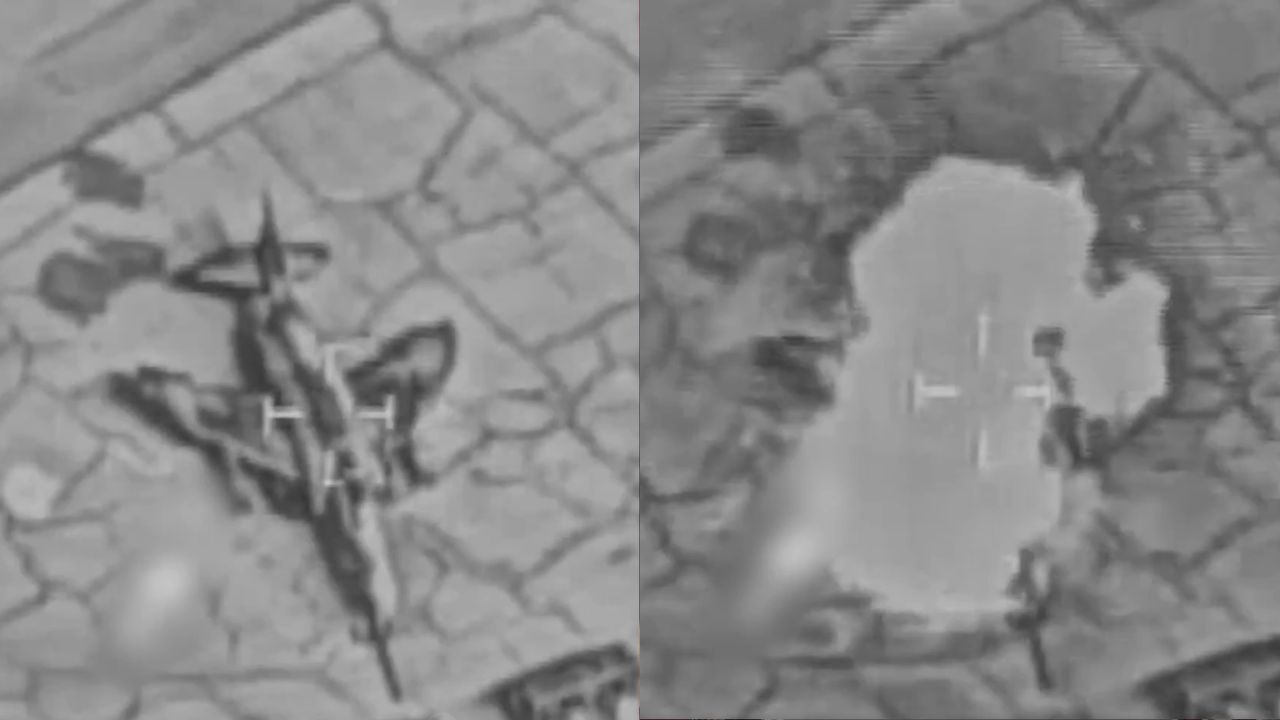
The recent escalation in the Middle East has seen a significant development, with the Israel Defense Forces (IDF) reporting the destruction of two Iranian fighter jets at Tabriz airport. The jets, identified as F-4 and F-5 models, were reportedly ready for takeoff when they were struck by the IDF. This move is seen as a strategic attempt to disrupt the Iranian air force and defense systems, and comes on the heels of joint US-Israel strikes in Iran. The destruction of these aircraft is likely to have a significant impact on Iran's operational readiness, particularly during a time of heightened tensions in the region.
Military analysts have noted that targeting ground aircraft can be an effective way to gain an upper hand in conflict situations. By destroying these jets, the IDF has dealt a significant blow to Iran's air capabilities, making it more difficult for the country to launch aerial attacks or defend its airspace. The use of AI in military operations has also become a topic of discussion, with many experts believing that the integration of artificial intelligence can enhance the effectiveness of such strikes. As the situation in the Middle East continues to unfold, it will be interesting to see how AI is utilized by the various parties involved.
The Role of AI in Modern Warfare
The increasing use of AI in military operations is a trend that is being closely watched by experts and analysts. The ability of AI to process vast amounts of data and make quick decisions has made it an attractive tool for military planners. In the context of the recent strike, AI could have played a role in identifying the location and movement of the Iranian jets, allowing the IDF to launch a precise and effective attack. As AI continues to evolve, it is likely that we will see its use become more widespread in military operations, leading to a new era of AI-driven warfare.
The use of AI in news gathering and reporting is also becoming more prevalent. With the ability to quickly analyze large amounts of data, AI can help journalists to identify trends and patterns that may not be immediately apparent. This can lead to more in-depth and informative reporting, allowing readers to gain a better understanding of complex issues. As the news industry continues to evolve, it will be interesting to see how AI is used to enhance the reporting process.
In terms of the current situation in the Middle East, the destruction of the Iranian jets is likely to have significant implications. The strike is seen as a demonstration of the IDF's military capabilities, and is likely to be viewed as a warning to Iran and other regional actors. As the situation continues to unfold, it will be important to stay informed about the latest developments, and to consider the potential consequences of the use of AI in military operations. The following are some key points to consider:
- The use of AI in military operations is becoming more widespread, with many countries investing heavily in the development of AI technologies.
- The integration of AI into military systems can enhance their effectiveness, allowing for more precise and efficient operations.
- The destruction of the Iranian jets is likely to have a significant impact on Iran's operational readiness, making it more difficult for the country to launch aerial attacks or defend its airspace.
- The situation in the Middle East is complex and multifaceted, with many different actors and interests at play.
- The use of AI in news gathering and reporting is becoming more prevalent, allowing for more in-depth and informative reporting.
As the situation in the Middle East continues to evolve, it will be important to stay informed about the latest developments. The use of AI in military operations is a trend that is being closely watched by experts and analysts, and is likely to have significant implications for the region. The integration of AI into military systems can enhance their effectiveness, allowing for more precise and efficient operations. However, it also raises important questions about the potential risks and consequences of relying on AI in complex and dynamic situations.
The destruction of the Iranian jets is a significant development in the ongoing tensions between Israel and Iran. The strike is seen as a demonstration of the IDF's military capabilities, and is likely to be viewed as a warning to Iran and other regional actors. As the situation continues to unfold, it will be important to consider the potential consequences of the use of AI in military operations, and to stay informed about the latest developments in the region. The role of news organizations in reporting on these developments will be critical, and the use of AI in news gathering and reporting is likely to play an increasingly important role.
The Future of AI in Military Operations
The use of AI in military operations is a trend that is being closely watched by experts and analysts. As the technology continues to evolve, it is likely that we will see its use become more widespread in military operations. The integration of AI into military systems can enhance their effectiveness, allowing for more precise and efficient operations. However, it also raises important questions about the potential risks and consequences of relying on AI in complex and dynamic situations.
The following are some potential benefits and drawbacks of using AI in military operations:
- Benefits:
- Enhanced effectiveness: AI can help to enhance the effectiveness of military operations by providing more accurate and timely information.
- Increased efficiency: AI can help to streamline military operations, allowing for more efficient use of resources.
- Improved decision-making: AI can help to provide military commanders with more accurate and timely information, allowing for better decision-making.
- Drawbacks:
- Risk of error: AI systems can be vulnerable to error, particularly if they are not properly trained or validated.
- Lack of transparency: AI systems can be difficult to understand and interpret, making it challenging to identify potential biases or flaws.
- Dependence on data: AI systems rely on high-quality data to function effectively, which can be a challenge in complex and dynamic environments.
As the use of AI in military operations continues to evolve, it will be important to carefully consider the potential benefits and drawbacks. The integration of AI into military systems can enhance their effectiveness, but it also raises important questions about the potential risks and consequences of relying on AI in complex and dynamic situations. The role of news organizations in reporting on these developments will be critical, and the use of AI in news gathering and reporting is likely to play an increasingly important role.
In conclusion, the destruction of the Iranian jets is a significant development in the ongoing tensions between Israel and Iran. The use of AI in military operations is a trend that is being closely watched by experts and analysts, and is likely to have significant implications for the region. The integration of AI into military systems can enhance their effectiveness, but it also raises important questions about the potential risks and consequences of relying on AI in complex and dynamic situations. As the situation continues to unfold, it will be important to stay informed about the latest developments, and to consider the potential consequences of the use of AI in military operations.
Comments