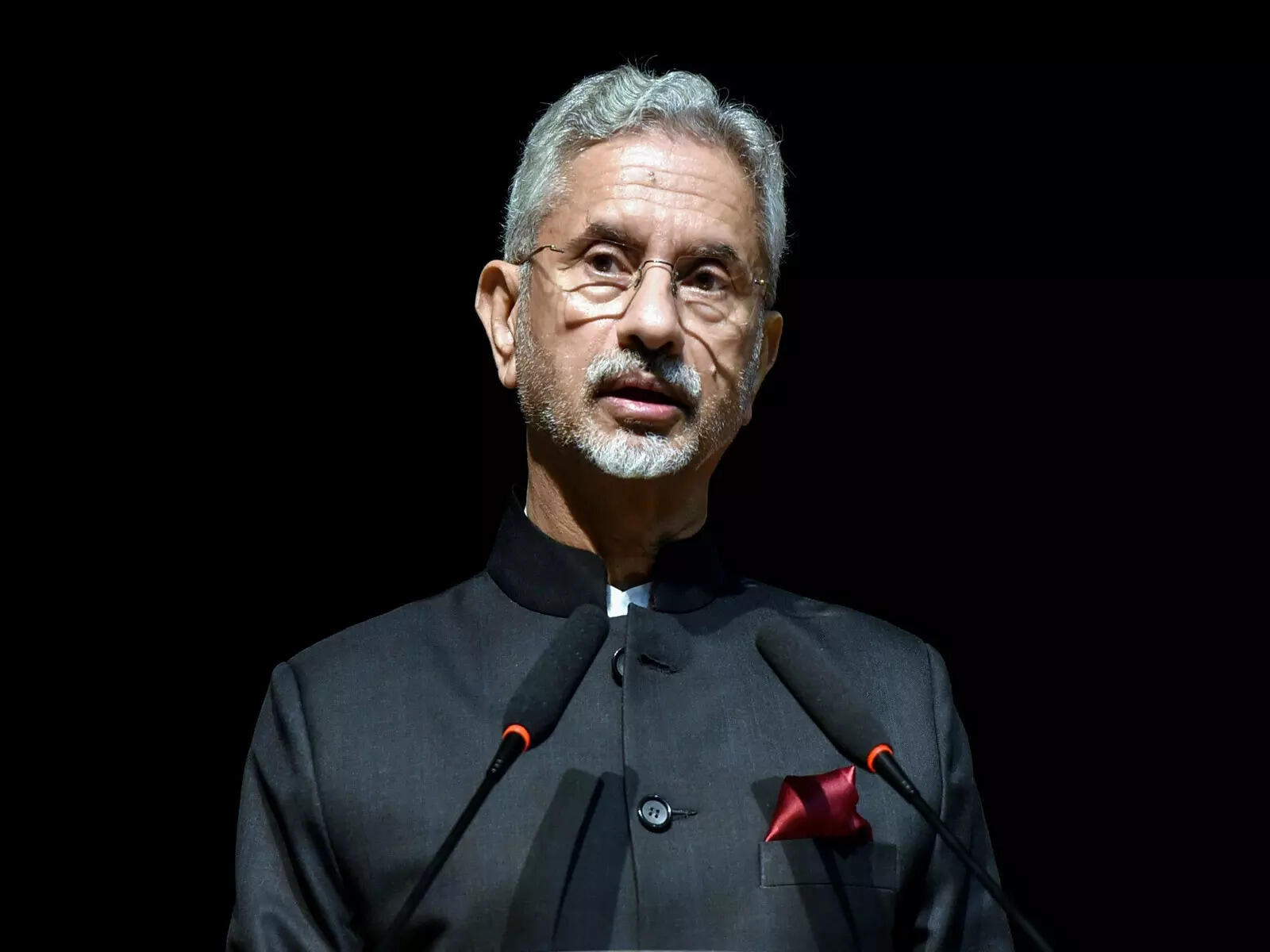
Beneath the surface of the escalating tensions in the Middle East, the leaders of countries are grappling with some deeper issues - like energy security for India's consumers. In this context, External Affairs Minister S Jaishankar has been vocal about his country's concerns over supply chain disruptions and instability affecting its energy supplies.
India's Energy Dilemma: Weighing National Interest Amidst Global Chaos
The recent surge in violence between Israel and Iran highlights the pressing importance of Middle East regional dynamics to India's national interest. As a nation with a growing economy, an expanding middle class, and an insatiable appetite for energy, India requires reliable access to global energy resources.
India's energy landscape has evolved significantly over the past decade. According to data from the International Energy Agency, the share of oil in India's total energy mix declined by 2 percentage points between 2014 and 2020. The proportion of natural gas increased, however, with its market share rising to around 20%. The country's renewable energy sector has also made rapid strides, driven by aggressive targets set under the National Renewable Energy Policy.
Despite this shift towards cleaner energy sources, fossil fuels remain a critical component of India's energy mix. As such, securing stable and affordable access to global energy resources is indispensable for the nation's economic growth.
The Iran Conundrum: How New Delhi Can Manage Energy Availability
Iran has long been a vital source of crude oil for India, which traditionally accounted for over 80% of its total imports from the Middle East. However, in recent years, other global producers have started to gain traction as primary suppliers.
Ambivalent ties between New Delhi and Tehran pose major challenges to ensuring consistent energy supplies from Iran. Several factors contribute to this volatile mix: sanctions imposed on Iran's energy sector by western powers; the growing influence of Iranian rival Saudi Arabia; ongoing proxy wars in the region, particularly with Israel and its Sunni allies.
Energy experts warn that an over-reliance on any single global supplier can leave India vulnerable to supply chain disruptions. Such events could be precipitated by a range of factors, including conflicts or natural disasters, as well as tensions arising from policy changes in key energy markets.
Dialogue and Diplomacy: Strategies for De-escalation Amid Middle East Tensions
India has consistently emphasized the value of dialogue and diplomacy in managing its relationships with regional powers. It supports calls for restraint and seeks peaceful resolutions to outstanding disputes, including those concerning energy resources.
The recent surge in violence between Israel and Iran underscores the urgent need for de-escalation efforts. In response, India's foreign minister has repeatedly stressed his country's commitment to managing energy availability and costs for Indian consumers – a clear signal that economic concerns are also driving New Delhi's approach to Middle East policy.
Global Implications: The Future of Energy Security in the Face of Rising Tensions
The ongoing regional volatility highlights broader challenges facing global energy markets. Climate change, an increasingly interconnected world, and growing public awareness of sustainable development underscore the need for countries like India to adopt forward-looking strategies.
According to a recent report by the International Energy Agency (IEA), significant progress is expected in the implementation of clean energy technologies – both renewable and non-renewable. However, policy cohesiveness and international cooperation will be indispensable in securing sustainable growth and meeting global targets for reducing greenhouse gas emissions.
These emerging trends will influence India's role in shaping the future of the global energy landscape. With eyes fixed firmly on long-term sustainability goals, policymakers must balance competing interests with a deep understanding of geopolitics and emerging technological shifts.
Navigating the Middle Ground: India's Energy Dilemma in a Fragile World Order
A delicate balancing act awaits Indian leaders as they navigate global power dynamics. Managing national interest requires deftly walking between competing imperatives, all while promoting long-term sustainability through climate-conscious decision-making.
Climate change and security issues are increasingly intertwined for countries like India. Climate resilience is crucial to protecting economic growth, social stability, and energy security in this context. Combining international cooperation with smart domestic policies can help build adaptive capacity for dealing with a wide range of global challenges.
Finding Common Ground: Opportunities for Cooperative Engagement
Global developments underscore the potential for cooperation that transcends traditional national interests in pursuit of shared goals.
Russia, for instance, has expressed interest in partnering India on energy-related infrastructure projects. This partnership could potentially provide a vital lifeline for Indian consumers facing supply chain disruptions and scarcity concerns.
A New Normal: How India Can Reinvent Energy Security Amid Global Uncertainty
As tensions in the Middle East mount, policymakers must adapt their thinking around global energy resources, taking into account long-term sustainability imperatives. In doing so, they can create a framework for managing national interest and promoting climate-conscious development.
Looking to the Future: Embracing Climate Conscience Amid Energy Uncertainty
Climate change has reshaped the global energy landscape in ways that challenge traditional thinking. Yet, New Delhi's response must prioritize long-term sustainability while navigating competing demands for energy security, affordability, and climate-conscious policy-making.
A Call to Action: The India Reader Perspective on Energy Security Amid Global Turbulence
As the global landscape continues to shift at breakneck speed, leaders who prioritize dialogue, cooperation, and sustainable development will hold a key position in shaping our shared future. What are your thoughts on how India should navigate energy security amid Middle East tensions? Share your perspective with us.
Shaping India's Energy Future: A Shared Commitment
A shared understanding of global challenges drives the pursuit of sustainable development and climate-conscious policy-making in a highly interconnected world. We invite readers to engage meaningfully on this pressing subject, embracing dialogue and cooperation.
Comments