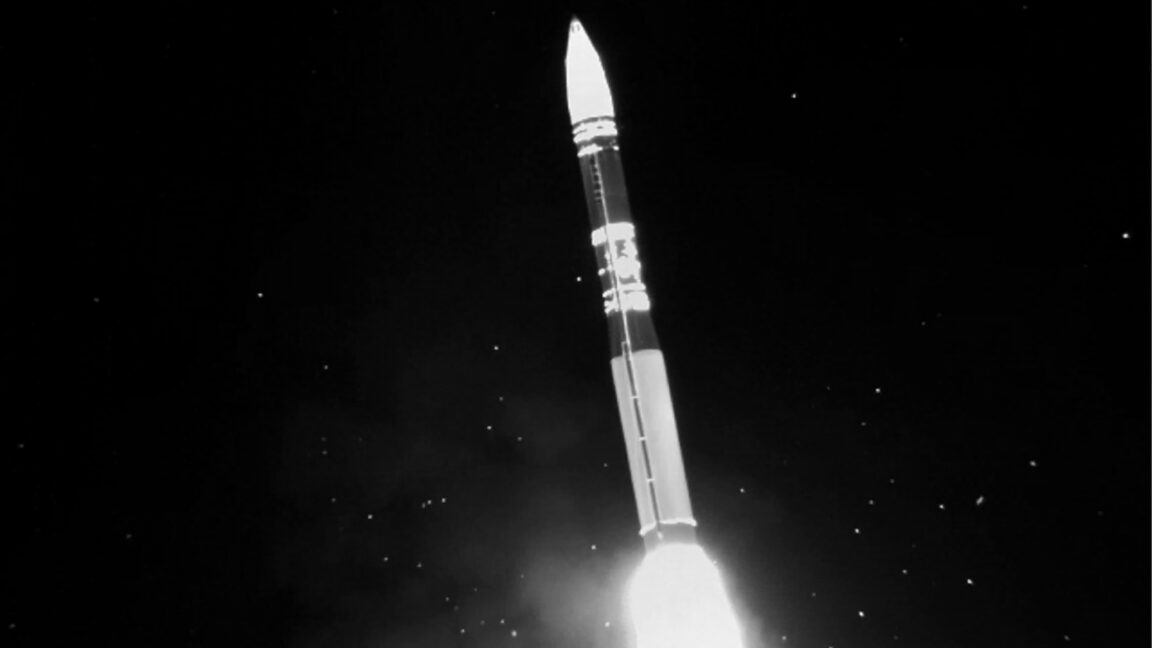
The US Air Force is on the cusp of a major milestone with its new Sentinel intercontinental ballistic missile, which is slated for its first test flight next year, according to military officials. The Sentinel, also known as the LGM-35A, is a cutting-edge missile designed to replace the aging Minuteman III fleet, which has been in service since 1970. The development of the Sentinel is a significant undertaking, with the Air Force investing heavily in the program to ensure the US remains a dominant force in the realm of nuclear deterrence.
However, despite the progress made on the Sentinel missile itself, there are concerns about the infrastructure needed to support the new system. The Air Force plans to deploy the Sentinel missiles in hundreds of new missile silos, which will be dug into the windswept Great Plains. But the construction of these silos is a complex and time-consuming process, and it remains unclear when they will be completed. The cost of the silos is also a major factor, with estimates suggesting that the total price tag could run into billions of dollars.
The Sentinel program is a critical component of the US nuclear triad, which also includes bombers and submarines. The new missile is designed to be more accurate and reliable than the Minuteman III, with advanced guidance systems and a more efficient propulsion system. The Sentinel will also be capable of carrying multiple nuclear warheads, although the exact number of warheads each missile can carry is classified. The development of the Sentinel is a testament to the Air Force's commitment to maintaining a robust nuclear deterrent, and the program is seen as a key component of US national security strategy.
The Challenges of Deploying the Sentinel
While the Sentinel missile itself is nearing completion, the process of deploying the new system is fraught with challenges. The construction of the new missile silos is a major undertaking, requiring significant investment in infrastructure and personnel. The Air Force must also ensure that the silos are hardened against potential threats, including cyber attacks and physical sabotage. The silos must be designed to withstand the stresses of launch and the extreme temperatures generated by the missile's propulsion system.
The Air Force is working to address these challenges, but it is a complex and time-consuming process. The service is working closely with contractors and industry partners to develop the necessary infrastructure, including the silos, launch control centers, and communication systems. The Air Force is also investing in training and personnel development, to ensure that the teams responsible for operating and maintaining the Sentinel system are fully qualified and equipped to do so.
The Importance of the Sentinel Program
The Sentinel program is a critical component of US national security strategy, and its successful development and deployment are essential to maintaining a robust nuclear deterrent. The Sentinel will provide the US with a modern and effective nuclear capability, capable of deterring potential adversaries and protecting American interests. The program is also seen as a key component of the US nuclear triad, which provides a flexible and resilient nuclear deterrent.
The Sentinel program has significant implications for US national security, and its successful deployment will have a major impact on the global balance of power. The development of the Sentinel is a testament to the Air Force's commitment to innovation and modernization, and the program is seen as a key component of US efforts to maintain a dominant position in the realm of nuclear deterrence. The Sentinel will provide the US with a modern and effective nuclear capability, capable of deterring potential adversaries and protecting American interests.
The Sentinel program is also a significant economic driver, with the potential to create thousands of jobs and stimulate local economies. The construction of the new missile silos will require significant investment in infrastructure, including roads, utilities, and communication systems. The program will also drive innovation, with the development of new technologies and systems to support the Sentinel missile.
The Future of the Sentinel Program
The future of the Sentinel program is uncertain, with many questions still unanswered. The Air Force has not provided a clear timeline for the deployment of the Sentinel missiles, and the cost of the program remains classified. The service has also not provided details on the number of warheads each Sentinel missile can carry, or the exact capabilities of the new system.
The Air Force is working to address these questions, but it is a complex and time-consuming process. The service is working closely with contractors and industry partners to develop the necessary infrastructure, including the silos, launch control centers, and communication systems. The Air Force is also investing in training and personnel development, to ensure that the teams responsible for operating and maintaining the Sentinel system are fully qualified and equipped to do so.
Despite the challenges and uncertainties surrounding the Sentinel program, the development of the new missile is a significant achievement for the Air Force. The Sentinel will provide the US with a modern and effective nuclear capability, capable of deterring potential adversaries and protecting American interests. The program is a testament to the Air Force's commitment to innovation and modernization, and its successful deployment will have a major impact on the global balance of power.
- The Sentinel program is a critical component of US national security strategy
- The development of the Sentinel is a testament to the Air Force's commitment to innovation and modernization
- The program has significant implications for US national security and the global balance of power
- The Sentinel will provide the US with a modern and effective nuclear capability, capable of deterring potential adversaries and protecting American interests
- The program is a significant economic driver, with the potential to create thousands of jobs and stimulate local economies
The Sentinel program is a complex and challenging undertaking, but its successful development and deployment are essential to maintaining a robust nuclear deterrent. The Air Force is working to address the challenges and uncertainties surrounding the program, and the service is committed to ensuring that the Sentinel system is fully operational and effective. The Sentinel will play a critical role in US national security strategy, and its successful deployment will have a major impact on the global balance of power.
The News surrounding the Sentinel program is closely watched by experts and analysts, who are eager to learn more about the new missile and its capabilities. The program is seen as a key component of US efforts to maintain a dominant position in the realm of nuclear deterrence, and its successful deployment will have significant implications for US national security and the global balance of power. The Sentinel program is a significant achievement for the Air Force, and its development is a testament to the service's commitment to innovation and modernization.
The latest News on the Sentinel program is that the Air Force is on track to meet its deadline for the first test flight of the new missile. The service is working closely with contractors and industry partners to develop the necessary infrastructure, including the silos, launch control centers, and communication systems. The Air Force is also investing in training and personnel development, to ensure that the teams responsible for operating and maintaining the Sentinel system are fully qualified and equipped to do so.
In conclusion, the Sentinel program is a critical component of US national security strategy, and its successful development and deployment are essential to maintaining a robust nuclear deterrent. The Air Force is working to address the challenges and uncertainties surrounding the program, and the service is committed to ensuring that the Sentinel system is fully operational and effective. The Sentinel will play a critical role in US national security strategy, and its successful deployment will have a major impact on the global balance of power. The News surrounding the Sentinel program will continue to be closely watched by experts and analysts, who are eager to learn more about the new missile and its capabilities.
Comments