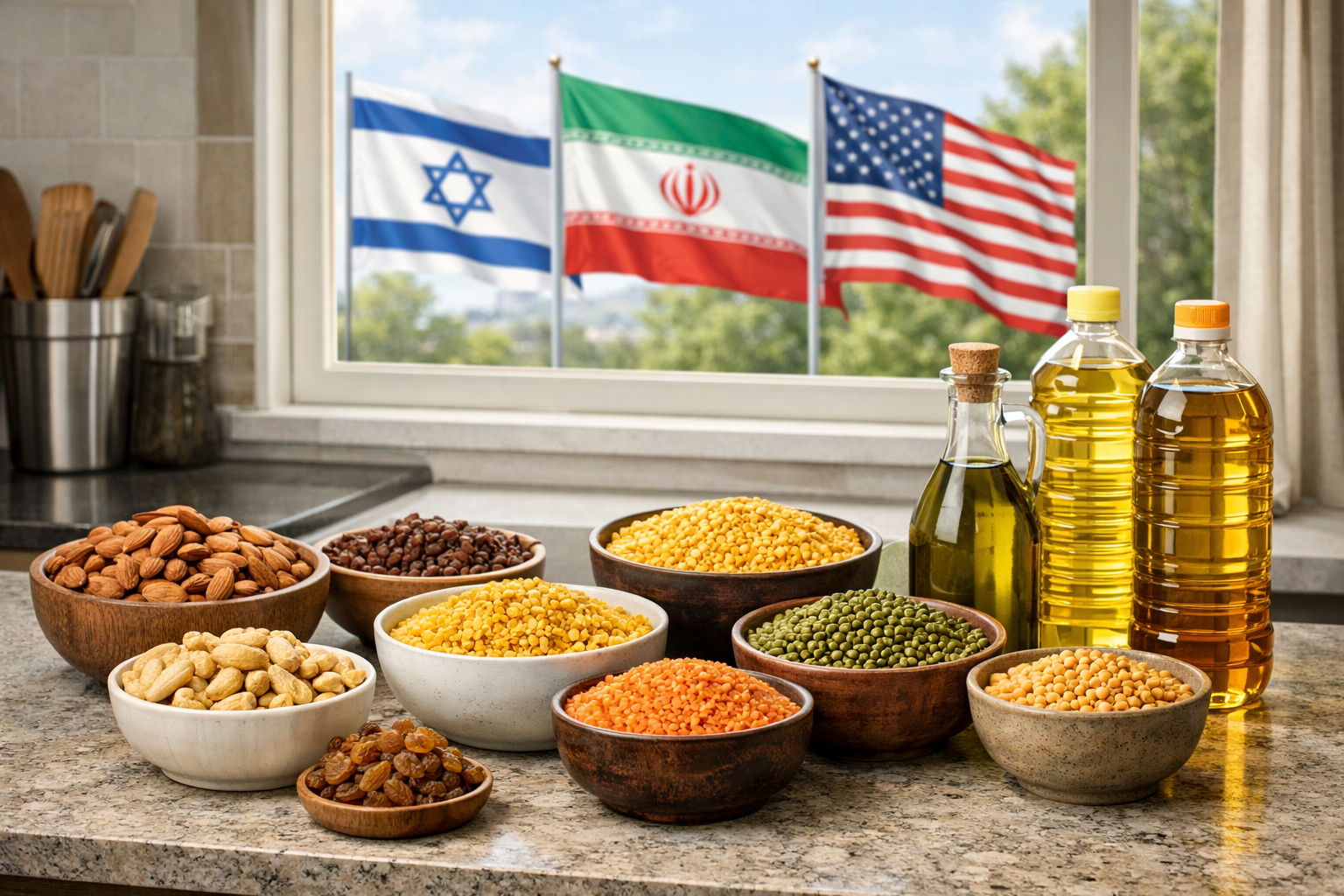
The ongoing conflict between Iran and Israel is set to have a significant impact on the global economy, and one of the areas that will be hit the hardest is the kitchen. The rising tensions in the Middle East are likely to inflate grocery bills, with prices for staples such as dal, dry fruits, and sweets potentially soaring up to 30%. This is due to disruptions to trade routes and rising freight charges, which are impacting supply chains linked to Iran, Israel, and the US.
The conflict between Iran and Israel has been escalating for some time now, and it has already started to affect the global economy. The trade routes that pass through the Middle East are some of the busiest in the world, and any disruption to these routes can have a significant impact on the global supply chain. The rising tensions in the region have led to an increase in freight charges, which is making it more expensive for companies to transport goods. This increase in cost is likely to be passed on to consumers, who will see their grocery bills rise as a result.
The Impact on Kitchen Staples
One of the areas that will be hit the hardest by the rising tensions in the Middle East is the kitchen. The prices of staples such as dal, dry fruits, and sweets are likely to rise significantly, making it more expensive for people to cook and bake. The price of dal, which is a staple in many Indian households, is likely to rise by up to 20%. This is because India imports a significant amount of dal from countries such as Iran and the US, and the disruptions to trade routes are making it more expensive to transport these goods.
Dry fruits such as almonds, walnuts, and pistachios are also likely to become more expensive. These nuts are widely used in Indian cooking and baking, and the rising tensions in the Middle East are making it more expensive to import them. The price of sweets is also likely to rise, as many of the ingredients used to make them, such as sugar and ghee, are imported from countries such as Iran and the US.
The Relief Offered by Rice
One of the few areas where consumers may find some relief is in the price of rice. Rice is a staple food in many parts of the world, and it is widely available in most countries. The price of rice is likely to remain stable, even as the prices of other staples rise. This is because rice is widely produced and consumed in many countries, and the disruptions to trade routes are unlikely to have a significant impact on its price.
However, even the price of rice may not remain stable for long. The rising tensions in the Middle East are making it more expensive to transport goods, and this increase in cost is likely to be passed on to consumers. Additionally, the conflict between Iran and Israel is making it more difficult for countries to import goods, which could lead to shortages and price rises in the long term.
The Global Impact of the Conflict
The conflict between Iran and Israel is not just a regional issue, but a global one. The rising tensions in the Middle East are having a significant impact on the global economy, and the effects are being felt in many countries. The disruptions to trade routes and the rising freight charges are making it more expensive for companies to transport goods, which is leading to price rises and shortages.
The global impact of the conflict is also being felt in the financial markets. The rising tensions in the Middle East are making investors nervous, and this is leading to a decline in stock prices and an increase in the price of gold. The conflict is also having a significant impact on the price of oil, which is rising due to concerns about disruptions to supply.
Key Areas Affected by the Conflict- Dal: The price of dal is likely to rise by up to 20% due to disruptions to trade routes and rising freight charges.
- Dry fruits: The price of dry fruits such as almonds, walnuts, and pistachios is likely to rise due to the rising tensions in the Middle East.
- Sweets: The price of sweets is likely to rise due to the increasing cost of ingredients such as sugar and ghee.
- Rice: The price of rice is likely to remain stable, but may rise in the long term due to the increasing cost of transportation and potential shortages.
The conflict between Iran and Israel is a complex and multifaceted issue, and its impact on the global economy is likely to be significant. The rising tensions in the Middle East are making it more expensive for companies to transport goods, which is leading to price rises and shortages. The conflict is also having a significant impact on the financial markets, and its effects are being felt in many countries.
As the conflict continues to escalate, it is likely that the impact on the global economy will become more severe. The disruptions to trade routes and the rising freight charges are making it more expensive for companies to transport goods, which is leading to price rises and shortages. The conflict is also having a significant impact on the financial markets, and its effects are being felt in many countries.
The Long-Term Impact of the Conflict
The long-term impact of the conflict between Iran and Israel is likely to be significant. The rising tensions in the Middle East are making it more expensive for companies to transport goods, which is leading to price rises and shortages. The conflict is also having a significant impact on the financial markets, and its effects are being felt in many countries.
The conflict is also likely to have a significant impact on the global economy in the long term. The disruptions to trade routes and the rising freight charges are making it more expensive for companies to transport goods, which is leading to price rises and shortages. The conflict is also having a significant impact on the financial markets, and its effects are being felt in many countries.
In conclusion, the conflict between Iran and Israel is having a significant impact on the global economy, and its effects are being felt in many countries. The rising tensions in the Middle East are making it more expensive for companies to transport goods, which is leading to price rises and shortages. The conflict is also having a significant impact on the financial markets, and its effects are being felt in many countries. As the conflict continues to escalate, it is likely that the impact on the global economy will become more severe.
Comments