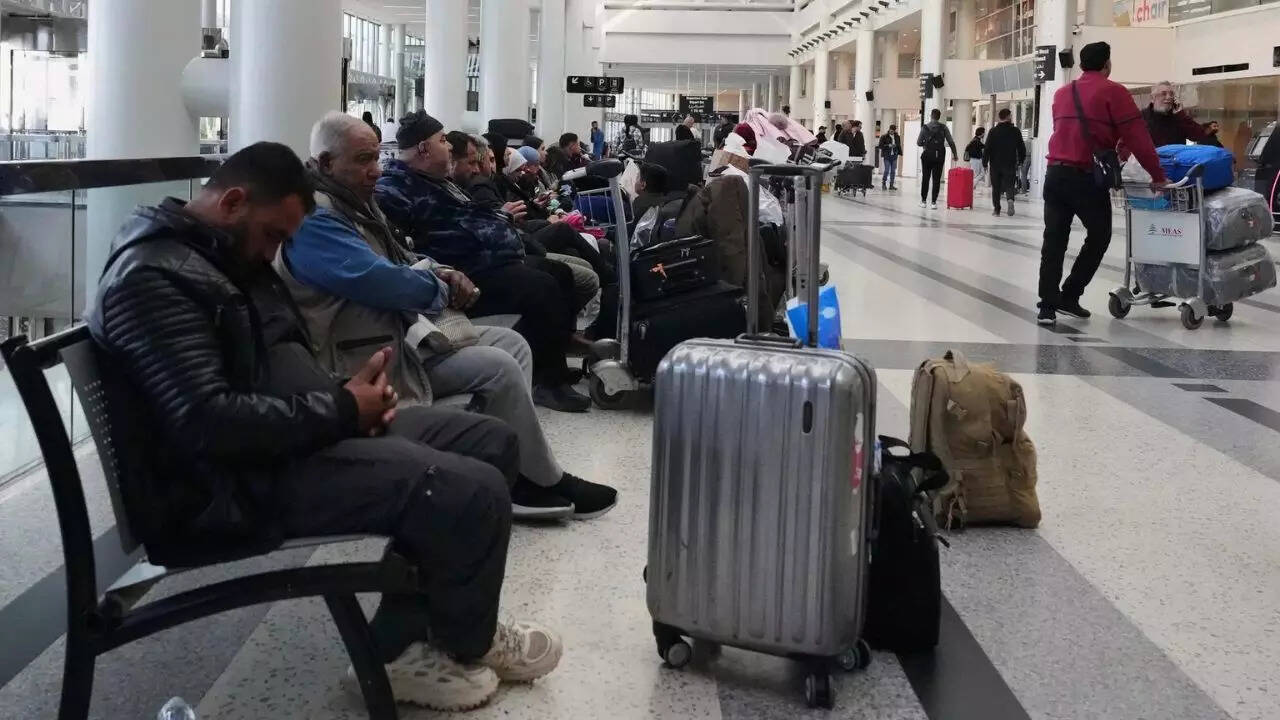
The ongoing conflict in the Middle East has significantly disrupted air travel, with several major airlines, including Emirates, Etihad, Air India, and IndiGo, issuing advisories to their passengers. The escalating tensions between the US, Israel, and Iran have led to widespread flight cancellations and airspace closures across several Gulf nations, affecting thousands of passengers who are now stranded in various airports. The situation is particularly dire for passengers traveling between continents, as major hubs like Dubai and Doha are severely impacted.
According to recent reports, the US-Israel strikes on Iran and Tehran's subsequent retaliation have caused a significant disturbance in the region's airspace, prompting several airlines to divert or suspend their services. Etihad, one of the major airlines affected by the conflict, has issued an advisory to its passengers, warning them of potential flight disruptions and cancellations. The airline has also announced that it will be providing assistance to its passengers who have been affected by the flight cancellations, including providing accommodation and alternative travel arrangements.
Etihad's Response to the Crisis
Etihad has taken a proactive approach to mitigate the impact of the conflict on its passengers. The airline has set up a dedicated team to handle passenger inquiries and provide assistance to those who have been affected by the flight cancellations. Etihad has also announced that it will be operating additional flights to certain destinations to help passengers who have been stranded due to the conflict. The airline's efforts to minimize the disruption to its passengers are commendable, and it is working closely with other airlines and aviation authorities to find a solution to the crisis.
In addition to Etihad, other airlines such as Emirates, Air India, and IndiGo have also issued advisories to their passengers. These airlines have warned their passengers of potential flight disruptions and cancellations, and have announced that they will be providing assistance to those who have been affected by the conflict. The advisories issued by these airlines are a clear indication of the severity of the situation, and highlight the need for passengers to be aware of the potential risks and disruptions associated with traveling to or from the affected regions.
Airline Advisories and Passenger Assistance
The advisories issued by the airlines are an essential step in keeping passengers informed about the potential risks and disruptions associated with traveling to or from the affected regions. The advisories provide passengers with critical information about flight cancellations, diversions, and suspensions, and offer guidance on what to expect and how to prepare for their journeys. By issuing these advisories, the airlines are demonstrating their commitment to passenger safety and well-being, and are taking proactive steps to mitigate the impact of the conflict on their passengers.
Passengers who have been affected by the flight cancellations can expect to receive assistance from the airlines, including accommodation, alternative travel arrangements, and reimbursement for any additional expenses incurred. The airlines are also providing their passengers with regular updates on the status of their flights, and are working closely with other airlines and aviation authorities to find a solution to the crisis. The level of assistance provided by the airlines will depend on the specific circumstances of each passenger, and will be determined on a case-by-case basis.
Impact on Global Air Travel
The conflict in the Middle East has significant implications for global air travel, with the potential to disrupt travel between continents and affect thousands of passengers. The closure of airspace over several Gulf nations has forced airlines to divert or suspend their services, resulting in significant delays and cancellations. The situation is particularly challenging for passengers who are traveling to or from the affected regions, as they may face significant disruptions to their journeys.
The impact of the conflict on global air travel is not limited to the affected regions, as it has the potential to disrupt air travel patterns worldwide. The conflict may lead to increased congestion at airports, as airlines divert their flights to alternative routes, and may result in significant delays and cancellations. The situation highlights the need for airlines, aviation authorities, and governments to work together to find a solution to the crisis, and to mitigate the impact of the conflict on global air travel.
- The conflict in the Middle East has disrupted air travel, with several major airlines issuing advisories to their passengers.
- Etihad, Emirates, Air India, and IndiGo are among the airlines affected by the conflict, with thousands of passengers stranded due to flight cancellations and airspace closures.
- The airlines are providing assistance to their passengers, including accommodation, alternative travel arrangements, and reimbursement for any additional expenses incurred.
- The conflict has significant implications for global air travel, with the potential to disrupt travel between continents and affect thousands of passengers.
- The situation highlights the need for airlines, aviation authorities, and governments to work together to find a solution to the crisis, and to mitigate the impact of the conflict on global air travel.
In conclusion, the conflict in the Middle East has significant implications for air travel, with several major airlines issuing advisories to their passengers. The situation is dire, with thousands of passengers stranded due to flight cancellations and airspace closures. Etihad, Emirates, Air India, and IndiGo are among the airlines affected by the conflict, and are working to mitigate the impact of the crisis on their passengers. The conflict highlights the need for airlines, aviation authorities, and governments to work together to find a solution to the crisis, and to ensure the safety and well-being of passengers.
As the situation continues to unfold, it is essential for passengers to remain informed about the potential risks and disruptions associated with traveling to or from the affected regions. The advisories issued by the airlines are a critical source of information, and provide passengers with the necessary guidance to prepare for their journeys. By working together, airlines, aviation authorities, and governments can mitigate the impact of the conflict on global air travel, and ensure the safety and well-being of passengers.
Stay tuned for further updates on this developing story, as we continue to bring you the latest news and information on the conflict in the Middle East and its impact on air travel.In the meantime, passengers who are planning to travel to or from the affected regions should check with their airlines for the latest information on flight schedules and availability. It is also essential to stay informed about the latest developments in the conflict, and to follow the advice of local authorities and aviation experts. By taking these precautions, passengers can minimize the risk of disruption to their journeys, and ensure a safe and successful trip.
Etihad's Commitment to Passenger Safety
Etihad has reiterated its commitment to passenger safety, and has announced that it will do everything in its power to minimize the impact of the conflict on its passengers. The airline has a long history of prioritizing passenger safety, and has implemented a range of measures to ensure the well-being of its passengers. From enhanced security protocols to advanced safety equipment, Etihad is dedicated to providing a safe and secure travel experience for all its passengers.
In the context of the current conflict, Etihad's commitment to passenger safety is more important than ever. The airline is working closely with aviation authorities and other airlines to monitor the situation, and to develop strategies for mitigating the impact of the conflict on its passengers. By prioritizing passenger safety, Etihad is demonstrating its dedication to the well-being of its passengers, and its commitment to providing a high-quality travel experience.
- Etihad has reiterated its commitment to passenger safety, and has announced that it will do everything in its power to minimize the impact of the conflict on its passengers.
- The airline has a long history of prioritizing passenger safety, and has implemented a range of measures to ensure the well-being of its passengers.
- Etihad is working closely with aviation authorities and other airlines to monitor the situation, and to develop strategies for mitigating the impact of the conflict on its passengers.
- The airline's commitment to passenger safety is more important than ever, given the current conflict in the Middle East.
- Etihad is dedicated to providing a safe and secure travel experience for all its passengers, and is taking proactive steps to mitigate the impact of the conflict on its operations.
In conclusion, the conflict in the Middle East has significant implications for air travel, with several major airlines issuing advisories to their passengers. Etihad, Emirates, Air India, and IndiGo are among the airlines affected by the conflict, and are working to mitigate the impact of the crisis on their passengers. The situation highlights the need for airlines, aviation authorities, and governments to work together to find a solution to the crisis, and to ensure the safety and well-being of passengers. As the situation continues to unfold, it is essential for passengers to remain informed about the potential risks and disruptions associated with traveling to or from the affected regions.
Comments