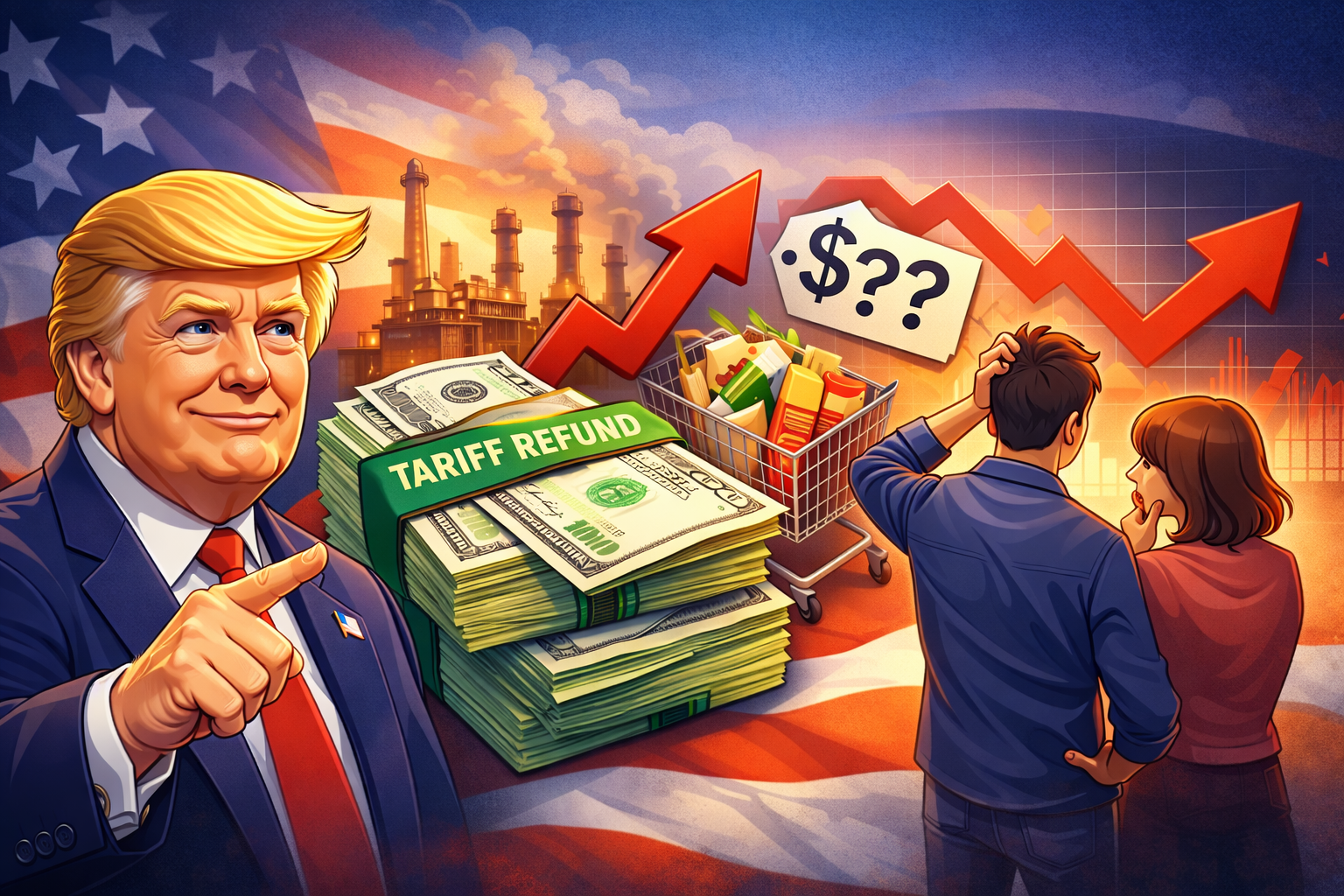
The US Supreme Court's recent decision to refund $134 billion in tariffs collected under Trump's administration has sent shockwaves through the business world, but one group is likely to remain untouched by these refunds: consumers.
Tariffs and Trade Wars
In 2018, President Donald Trump initiated a trade war with China, imposing tariffs on billions of dollars' worth of Chinese goods. The move was aimed at addressing what Trump described as China's "unfair" trade practices, including the theft of American jobs and intellectual property. In response to US tariffs, China retaliated by slapping its own tariffs on US goods.
Over the next few years, the trade war escalated, with both sides imposing increasingly high tariffs on each other's exports. The situation became so dire that it threatened to send global trade into a tailspin. Some notable statistics
- Tariffs imposed by Trump's administration reached an all-time high of $700 billion in 2019 alone.
- The US-China trade war resulted in tariffs on over $500 billion worth of goods, affecting everything from electronics to soybeans.
- According to the Office of the US Trade Representative, the total value of imports from China reached a record high of $503 billion in 2020.
The ongoing trade tensions between the US and China have undoubtedly had a profound impact on businesses and consumers alike. While some companies have been able to pass on the costs of tariffs to their customers, others have struggled to absorb the increased expenses.
How Tariffs Affect Consumers
In theory, tariffs are meant to protect domestic industries by making imported goods more expensive for consumers. However, in practice, the impact is often felt disproportionately by ordinary people who do not benefit directly from these trade policies.
When tariffs are imposed on goods such as electronics, clothing, or household items, prices inevitably rise for consumers. This can be particularly true for low-income households that spend a larger proportion of their income on basic necessities like food and clothing.
- The typical American consumer spends around $1,500 per year on imported goods, according to the Peterson Institute for International Economics.
- A study by the Economic Policy Institute found that tariffs can increase the average price of imported goods in the US by as much as 20-30%.
- In contrast, businesses may benefit from tariffs if they specialize in producing certain products that are subject to the levies.
However, even this benefit is limited when you consider that many companies pass on tariff costs to their consumers. The net result is often increased prices without any noticeable benefits to local industries or workers.
The Current Refund and Its Implications for Consumers
Last week, the US Supreme Court ruled in favor of importers who initially paid tariffs under Trump's administration. As part of the decision, the court ordered a refund of $134 billion in tariffs collected by the government.
However, these refunds will not directly benefit consumers who bore the cost of higher prices during the trade war. Instead, the reimbursements will go to importers who incurred the costs of paying tariffs upfront.
- The refund is seen as a major victory for importers who are eager to recoup the losses they incurred under the tariffs.
- According to industry sources, some companies may use the refunds to invest in domestic production or expand their businesses.
While the news of these refunds has generated excitement among some stakeholders, it is essential for consumers to recognize that this development does little to address the underlying issues of increased prices and inflation caused by trade tensions. As the US and China navigate ongoing trade disputes, one thing is clear: the focus should be on finding a solution that benefits ordinary people rather than just a select group of importers.
A Call for Consumer Protection
As policymakers continue to grapple with the complexities of international trade, it's essential to put consumers at the forefront of decision-making. Governments and business leaders must prioritize transparency and accountability in their dealings with tariffs and trade policies.
The recent court ruling may have provided some relief for importers, but it is imperative that we keep a closer eye on how these refunds are implemented and who ultimately benefits from them. Consumers deserve better than to bear the cost of protectionist policies without any tangible rewards. The future of trade policy must be guided by the needs of ordinary people rather than just a select few.
A Way Forward for Trade Policy
As we move forward, it is crucial that policymakers adopt a more nuanced approach to trade policy one that prioritizes fairness and balance in all international agreements. Tariffs should be used as a tool to level the playing field rather than a means to extract revenue from consumers.
The ongoing trade tensions between the US and China are a prime example of how misguided trade policies can harm both businesses and individuals. In order to create a more sustainable future for trade, we need to focus on finding common ground with our trading partners and working tirelessly to ensure that the interests of ordinary people are represented in these negotiations.
As we wait to see how this latest development plays out, one thing is clear: consumers deserve better protection from the unpredictable world of international trade. As policymakers and business leaders continue to navigate these complex issues, it's essential that we keep a close eye on the implications for everyday people. By doing so, we can work towards creating a more just and equitable future for all.
Comments