Donald Trump Celebrates Record-High US Oil Production, Hails Venezuela as New Friend and Partner
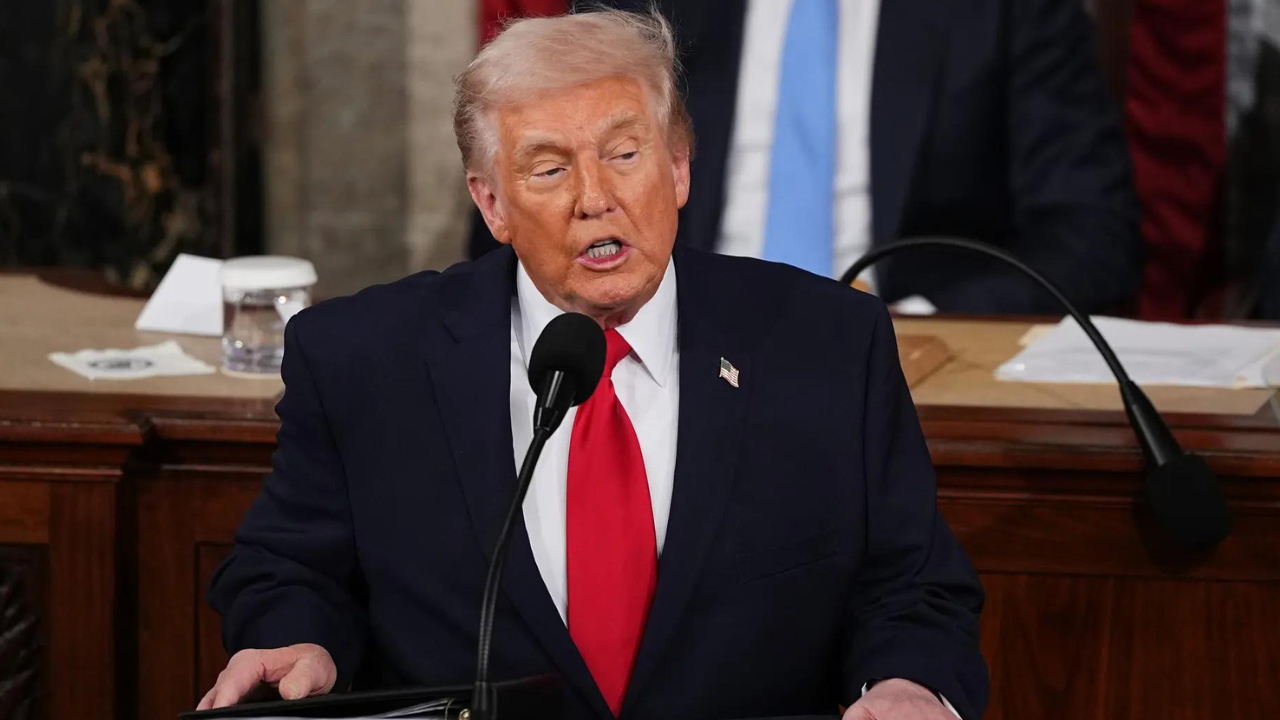
The United States has reached new heights in its oil production, with record-high levels attributed to President Donald Trump's "drill, baby, drill" policy. In a recent speech, the President touted the nation's energy gain, calling it a major win for American workers and the economy.
President Trump highlighted the significant increase in natural gas production, stating that the US is now the world's largest producer of this essential resource. He also emphasized America's growing oil production, crediting his administration's policies for the impressive gains. The President's remarks came as the US Energy Information Administration (EIA) released data showing increased domestic oil production, surpassing global demand.
Key Players: Oil Prices and Venezuela
A significant aspect of President Trump's speech was his mention of a new oil import from Venezuela. He referred to the nation as a "friend and partner" in energy, signaling a possible shift in US policy towards the country. This move has been met with skepticism by some, who argue that the President is prioritizing economic interests over human rights concerns.
The decision to import oil from Venezuela raises several questions about the sustainability of this new relationship. Venezuela's economy has been in crisis for years, with widespread shortages and a struggling currency. The nation's oil industry is also heavily reliant on US support, with the Trump administration providing billions of dollars in aid.
History of US-Venezuela Relations
US-Venezuelan relations have been complex and often tumultuous throughout history. The two nations have had significant disagreements over issues such as trade, security, and human rights. The current crisis in Venezuela began in 2013, when President Hugo Chavez died, and his successor Nicolás Maduro took office.
The US has imposed sanctions on Venezuela since 2007, citing concerns about the country's democratic institutions and human rights record. However, under President Trump, these policies have been strengthened, with a focus on economic pressure and regime change.
Impact of "Drill, Baby, Drill" Policy
President Trump's "drill, baby, drill" policy has been credited with boosting US oil production. The administration has implemented a range of measures to encourage energy exploration and production, including tax cuts and reduced regulations.
However, some critics argue that the policy has come at an environmental cost. Fracking and other forms of hydraulic fracturing have raised concerns about water pollution and methane emissions. Additionally, the rapid growth in shale oil production has led to increased transportation costs and greater reliance on fossil fuels.
AAA Data Contradicts Trump's Claims
Despite President Trump's claims that gas prices are falling, data from AAA indicates that average prices are higher than stated. The automotive club group's analysis shows that gasoline prices have been steadily increasing since 2017, with some months seeing significant spikes.
The discrepancy between Trump's claims and reality highlights the challenges of communication in politics. While the President may claim that gas prices are low, the data suggests otherwise. This issue has sparked debate about the role of media in holding politicians accountable for their statements.
Global Implications: World Oil Market Response
The US oil boom has significant implications for the global energy market. As the world's largest producer, America is now a major player in shaping oil prices and supply. The increased production has led to a surplus of crude oil, which has depressed prices and threatened the profitability of smaller producers.
However, some analysts argue that the US oil booms will eventually lead to higher prices as demand growth accelerates. This trend could be driven by increasing energy consumption in emerging markets, such as Asia. As the global economy expands, demand for energy is likely to increase, driving up prices and limiting supply.
Final Thoughts
President Trump's speech on record-high US oil production was a testament to his commitment to boosting American energy output. However, the decision to import oil from Venezuela raises significant questions about economic priorities and human rights concerns.
As the global energy landscape continues to evolve, it is crucial that policymakers prioritize transparency and accountability when making decisions about energy policy. The Trump administration's "drill, baby, drill" policy has sparked controversy and debate, but its impact will be felt for years to come.
What do you think: Should the US prioritize economic interests or human rights concerns in its dealings with Venezuela? Share your thoughts in the comments below.
Comments