The recent spate of cattle killings by a sub-adult male tiger in Andhra Pradesh's East Godavari and Eluru districts has sent shockwaves through the already fragile balance between humans and wildlife.
The Human-Animal Conflict: A Growing Concern
The ongoing human-animal conflict in Andhra Pradesh is not just a matter of individual livestock being killed, but a stark reminder of how increasingly close we are living with our wild counterparts. The forest department's efforts to track down the responsible tiger and put an end to the killings have been hampered by the sheer scale of the destruction caused by this single animal.
The culprit behind the recent carnage is believed to be a sub-adult male tiger, which killed 20 heads of cattle in a span of just two days. The victim's farm was located on the border of the East Godavari and Eluru districts, where wildlife corridors intersect with human settlements.
The Tiger: An Apparent Healthy Individual
Despite being described as an "apparently healthy" individual, questions have been raised about how this tiger ended up in such close proximity to humans. The sub-adult male is believed to be the offspring of a female that had previously been spotted in the region.
The forest department has launched multiple operations to track down the responsible tiger, but so far, no conclusive evidence has been found. It remains unclear how this individual ended up venturing into human habitats or whether it was driven out by other tigers in its territory.
Consequences for Livelihoods
The recent cattle killings have had a devastating impact on the livelihoods of many tobacco growers, dairy farmers and agricultural workers. These individuals rely heavily on their livestock to supplement their income, and sudden losses can be catastrophic for families who already live hand-to-mouth.
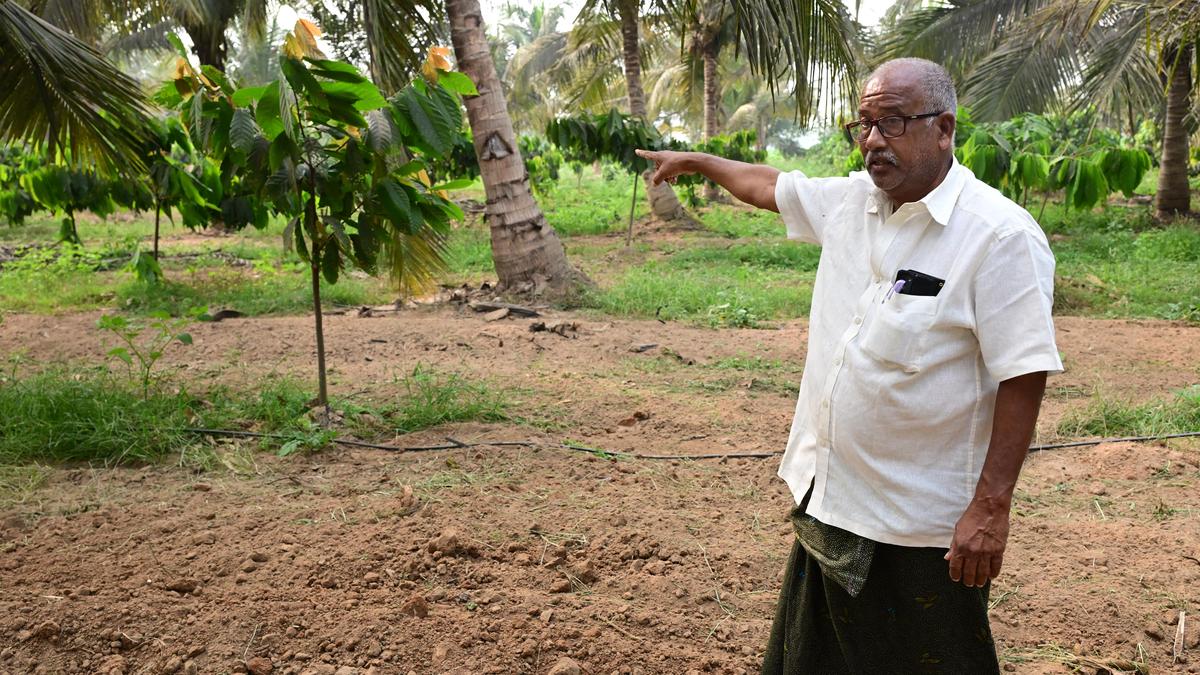
"We lost 10 head of cattle in two days," said Gopalakrishna, a farmer from East Godavari district. "It is not just the financial loss that's affecting us; it's also the emotional toll. We can't understand why this tiger is targeting our livestock and we feel helpless."
Furthermore, the constant fear of cattle killings has reduced farmers' willingness to venture into their fields during the peak harvest season, resulting in lower crop yields and economic losses.
The Forest Department's Response
The forest department has come under pressure from both the government and local communities to take immediate action against this aggressive tiger. In response to the growing concerns, the chief conservator of forests (CCF) for Andhra Pradesh issued a statement on August 15th, stating that multiple operations had been launched to track down the responsible animal.
"We understand the distress caused by these events and are working tirelessly to ensure that our efforts result in the recovery of the tiger. We want to assure all stakeholders that our top priority is to restore balance between humans and wildlife," said an official from the forest department.
The Need for Conflict Resolution Strategies
While efforts to find out why this seemingly healthy tiger is aggressive towards livestock, it remains crucial that effective conflict resolution strategies are in place. In many regions, local communities actively participate in efforts to prevent conflicts between humans and wildlife by implementing measures like electric fencing, guarding livestock and using guard animals.
The Future Outlook
As the situation unfolds, one thing is clear: it will require a concerted effort from both governments and local stakeholders to restore balance to this fragile ecosystem. Until then, people will continue to live in fear of an unpredictable predator that seems determined to disrupt their lives.
Solutions from Elsewhere
- India's neighboring Nepal has implemented measures such as employing trained herders to guard livestock and collaborating with the government to ensure effective tracking methods are used.
- Other countries have seen increased adoption of livestock insurance, aiming at providing security for farmers against losses due to animal attacks.
The question remains: what will Andhra Pradesh adopt in order to bring peace back into its wilderness?
Comments