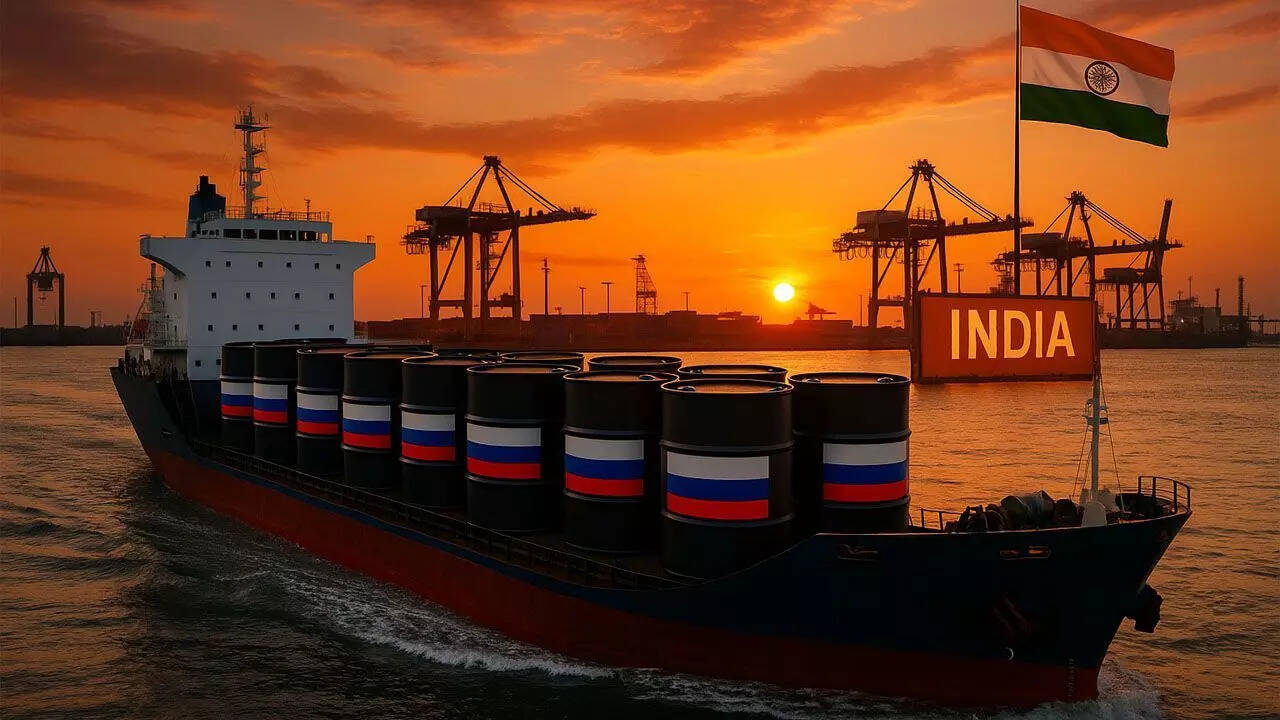
The United States has issued a 30-day waiver to India, allowing the country to continue purchasing Russian oil and further destabilizing global energy markets in the process. This move comes as Washington aims to stabilize energy supplies amid heightened tensions in the Middle East.
A Waiver for Stability
According to sources within the U.S. Department of State, India has been granted a 30-day waiver that temporarily suspends the sanctions on Russian oil imports. This reprieve is seen as crucial in maintaining global energy security and preventing potential market disruptions.
The Significance of Indian Oil Imports
India's dependence on Russian oil is substantial, with the country accounting for a significant portion of Russia's foreign exchange earnings through its oil exports. In 2022 alone, India imported nearly $15 billion worth of Russian crude. This reliance has sparked concerns among Western nations, which fear that Indian purchases could inadvertently fuel further destabilization in the region.
Furthermore, the waiver provides Indian refiners with a much-needed lifeline, allowing them to secure crucial supplies and mitigate potential disruptions to their operations. With global energy markets becoming increasingly volatile, this move is seen as an urgent necessity by policymakers and industry insiders alike.
Aiming for Global Stability
The U.S. hopes that granting India a waiver will encourage the country to continue increasing its oil imports from American sources in the future. As tensions in the Middle East escalate, Washington has been actively working to strengthen ties with Indian energy companies and promote bilateral cooperation on energy security.
By securing these crucial supplies, the U.S. aims to diversify India's import mix and reduce its reliance on Russian oil. This move is also seen as a strategic maneuver to stabilize global markets and prevent potential flashpoints from emerging in the region.
A Flawed yet Necessary Solution
While the 30-day waiver provides an immediate reprieve for Indian refiners, it has also been criticized by some quarters as a flawed solution that does not address the underlying issues driving the global energy market. Critics argue that this move only serves to further entrench India's dependence on Russian oil and undermine efforts to promote cleaner, more sustainable energy sources.
Addressing the Root Causes
One of the primary concerns surrounding ongoing U.S.-Russia tensions is the lack of progress in resolving pressing global security issues. The crisis in Ukraine has sparked a wider debate about energy geopolitics and its implications for regional stability.
Despite these challenges, energy experts argue that cooperation on security matters remains essential for achieving long-term energy goals. Washington's decision to grant India a waiver demonstrates an understanding of the importance of international partnerships in addressing global crises.
A New Era in Energy Cooperation
The U.S.-India waiver serves as a harbinger of a broader shift towards increased economic cooperation and greater collaboration between American and Indian energy companies. This development highlights the significant potential for energy partnership to foster stability, mitigate conflicts, and create mutually beneficial opportunities.
"We see this waiver as an opportunity to strengthen our energy ties with India and promote sustainable growth in both countries." - A spokesperson from the U.S. Department of State
A Divided View on the Waiver's Implications
Not everyone is convinced that granting a waiver to India will stabilize global markets or enhance energy security. Critics point out that this move could inadvertently fuel further destabilization in the region, while others argue that it demonstrates Washington's willingness to compromise on key policy objectives.
"While we appreciate the U.S. gesture, there are concerns that this move will only serve to embolden Moscow in its global energy ambitions." - A senior intelligence analyst
Closing Thoughts
The recent waiver granted to India by the United States has significant implications for global energy markets and bilateral ties between Washington and New Delhi. As this crisis continues to unfold, policymakers will need to carefully balance competing priorities and navigate the complex web of alliances and rivalries that define international relations.
Reader's Perspective
As the situation continues to evolve, we would like to hear from you – how do you think the U.S. decision to grant India a waiver affects global energy markets? Share your thoughts with us on social media or in the comments section below, and let's continue the conversation.
Comments