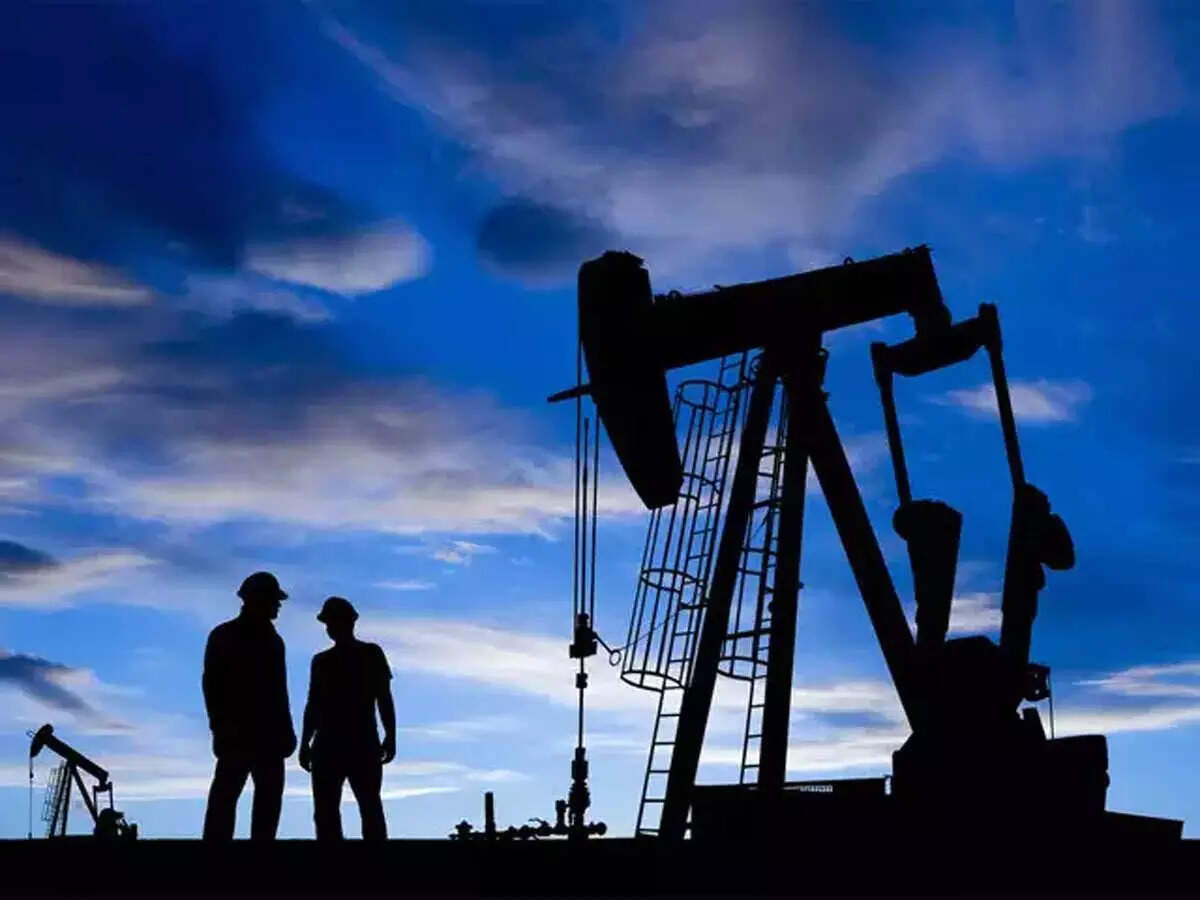
Globally oil prices have been soaring for weeks, touching $100 per barrel in recent days, as the ongoing Middle East war continues to disrupt crude supply chains. The crisis has sparked concerns among leaders of G7 nations who are now mulling over an emergency response strategy involving a coordinated release of strategic oil reserves. Finance ministers from these countries will gather in the coming days to discuss this option, which may also be supported by the International Energy Agency.
The Iran Conflict: A Perfect Storm for Oil Prices
The surge in global crude prices is undeniably linked to the escalating conflict between Iran and its regional adversaries. As tensions escalated in recent weeks, numerous facilities, including oil refineries and pipelines, have been targeted by Iran-backed militias. This has resulted in significant supply disruptions that have significantly impacted production levels.
According to industry estimates, the ongoing war has shaved off an estimated 700,000 barrels of crude from global supplies per day. The impact on oil prices has been instantaneous, as rising demand for fuel and feedstock continues unabated. Major producers like Saudi Arabia have sought to capitalize on the supply shortfalls by increasing production levels.
While this might seem beneficial at first glance, analysts caution that artificially propping up supplies can exacerbate price volatility. The delicate balance between market dynamics and geopolitics can become even more precarious as oil giants struggle to meet surging demand while trying to keep prices under control.
The Role of the G7 in Stabilizing Oil Markets
As the situation in the Middle East continues to deteriorate, global leaders are increasingly looking towards their own reserves as a potential solution. The coordinated release of strategic oil reserves is one option being seriously considered by finance ministers from G7 nations. This move would require cooperation among major producers like the United States, Europe and Japan.
The International Energy Agency (IEA) has already been instrumental in helping countries navigate global supply challenges. With their expertise on energy markets, they can provide valuable insights into how a coordinated drawdown of crude levels could potentially mitigate price surges.
Industry experts argue that while the release of oil from national reserves might seem like a silver bullet solution to high prices, it is only a temporary measure. Long-term supply constraints will continue to plague markets unless major producers rethink their production strategies and commitment to sustainable practices in energy production.
The Potential Impact on Global Markets
A coordinated drawdown of oil reserves would undoubtedly have significant implications for markets worldwide. While some analysts predict that lower crude levels could put downward pressure on prices, the effect is unlikely to be uniform across different regions and countries.
Some major consumers like China might benefit from falling prices as their demand increases while domestic production keeps pace with growing consumption patterns. On the other hand, the European Union could face energy price shocks if supply levels decrease further due to the ongoing crisis.
Oil-producing nations are likely to be more affected by lower prices than they will benefit from them. Smaller producers who rely heavily on export earnings for their national economies will feel the pinch as falling oil revenues reduce foreign exchange reserves and impact economic growth prospects.
A New Era in Energy Stabilization?
Oil price volatility can have far-reaching implications on various aspects of global business, finance and politics. For decades, international cooperation has been limited when it comes to managing supply disruptions in the energy sector. The current tensions in the Middle East are exposing some of these shortcomings, and for that reason alone, a carefully managed coordinated release of strategic reserves by major oil producers could represent an exciting new direction in global response strategies.
One point to note is that while governments might be drawn towards emergency measures to stabilize energy markets, they must also consider long-term sustainability. Energy policy cannot get caught up in short-lived price fluctuations but instead should be guided by broader vision and ambition to develop a low-carbon economy.
A Glimmer of Hope for Consumers?
For global consumers facing higher oil costs due to ongoing conflicts, relief might finally come on the horizon as nations mull releasing strategic reserves. If well-timed and executed, coordinated supply drops could help lower crude prices in the short term.
What Do Leaders Say About This Strategy?
The role of G7 nations releasing strategic oil reserves is not new, but recent turmoil has prompted a surge in renewed discussions on potential coordination. If this idea gains traction among leaders, it would mark an important shift towards shared risk management and proactive cooperation.
While energy security will be key to the stability of global supply chains going forward, governments must also balance short-term relief measures with deeper structural responses aimed at reducing reliance on finite resources and mitigating climate change through broader energy policy reform.
The Need for a Bigger Conversation
More than a temporary reprieve from recent price increases, we need sustainable solutions that could mitigate the very real risks of supply disruptions to global markets. If oil prices do surge in the future as other forms of global competition intensify and climate change deepens, energy security will have become an immediate concern.
"The world needs a more forward-thinking approach where countries can tackle short-term challenges using long-term strategies that aim for a low-carbon future," argues Emily Thompson, a leading energy analyst. "Energy security is as much about resilience against external shocks as it is about meeting the changing demands of a rapidly evolving economy.
The Future of Oil Supply and Demand
The current crisis offers an urgent wake-up call for global leaders to reassess priorities in their respective countries' energy strategies. For years, oil has dominated the discussion on sustainable development; however, it's time to give weight to other vital elements.
"There will be no quick fixes that can simply 'fix' supply or demand imbalances," argues Paul Mason, a UK-based economics professor specializing in global systems and climate change. "We must think bigger, exploring how energy systems might evolve in the years ahead as our planet transitions towards cleaner, more efficient technologies."
Comments